

Principle of Resin Pneumatic Conveying Equipment
Resin pneumatic conveying equipment is a specialized system designed for the efficient transport of resin materials through an air-driven process. This technology plays a crucial role in various industrial applications, particularly in the manufacturing and processing sectors where resin handling requires precision and reliability. The fundamental principle behind this equipment involves the use of compressed air to move resin particles from one location to another, eliminating the need for traditional mechanical conveyors that may cause material degradation or contamination.

Core Components and Working Mechanism
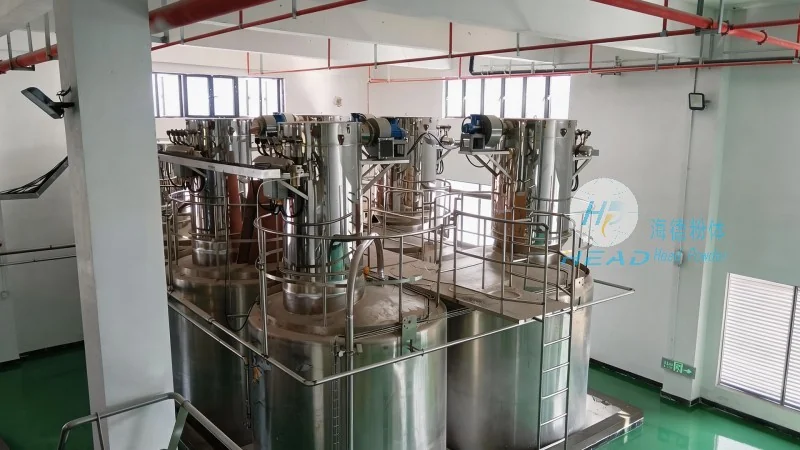
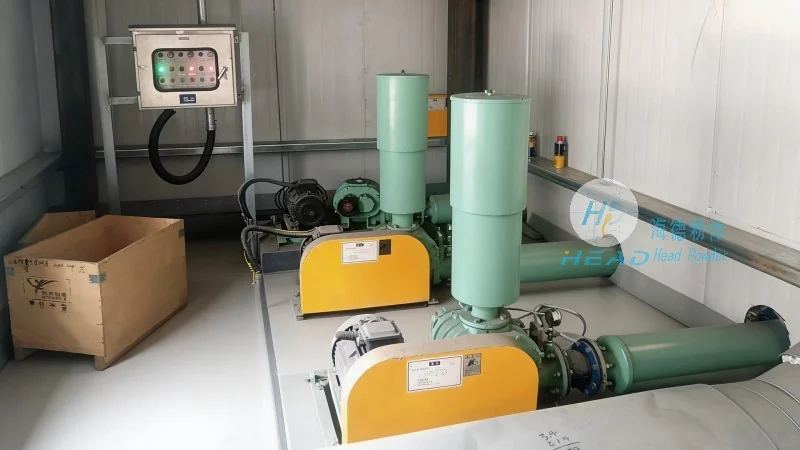
The operation of resin pneumatic conveying equipment relies on several key components that work in tandem to ensure smooth material transport. The primary elements include a hopper for material storage, a rotary valve or feeder to control the flow rate, a pipeline system for air and material transport, and a receiver or discharge unit for the final material collection. The working mechanism begins with resin being fed into the hopper. As the material accumulates, a rotary valve or feeder opens to allow a controlled amount of resin to enter the pipeline. Simultaneously, compressed air is introduced into the pipeline, creating a flow that propels the resin particles forward. The air-resin mixture travels through the pipeline, with the air pressure maintaining the material's suspension and ensuring consistent transport. Upon reaching the discharge point, the air is separated from the resin, often through a cyclone separator or filter, and the resin is collected in the receiver. This process is highly efficient, as it minimizes material handling time and reduces the risk of product contamination compared to traditional methods.
Advantages of Resin Pneumatic Conveying Systems
Resin pneumatic conveying equipment offers numerous advantages over conventional material handling solutions. One of the most significant benefits is the ability to handle fine or abrasive resin particles without causing wear and tear on the equipment. The air-driven system reduces mechanical friction, thereby extending the lifespan of components such as pipelines and valves. Additionally, this method is highly flexible, allowing for vertical, horizontal, or inclined transport of resin, adapting to various production layouts. The system also provides better control over material flow rates, enabling precise dosing and reducing overfilling or underfilling risks. Another key advantage is the hygienic nature of pneumatic conveying, which is particularly important in industries where resin purity is critical, such as pharmaceutical or food processing. The enclosed system prevents dust and contamination, maintaining product quality and meeting regulatory standards. Furthermore, the energy efficiency of pneumatic conveying systems is notable, as they consume less power compared to electric or mechanical conveyors, leading to lower operational costs over time.
Applications in Industrial Manufacturing
Resin pneumatic conveying equipment is widely utilized across diverse industrial sectors, including plastics manufacturing, chemical processing, and automotive parts production. In the plastics industry, for example, resin is often transported from storage silos to processing machines, where it is melted and molded into various products. The pneumatic system ensures that resin is delivered in a consistent and controlled manner, which is essential for maintaining product quality and reducing downtime. In chemical processing, resin materials may be used as catalysts or additives, and the ability to transport them safely and efficiently is critical for process efficiency. The automotive industry also benefits from this technology, as resin components are used in the production of car parts, and the pneumatic conveying system ensures that these materials are delivered to the manufacturing lines without any damage or contamination. Other applications include the handling of resin in research and development laboratories, where precise material transport is required for experimental processes. Overall, the versatility and reliability of resin pneumatic conveying equipment make it an indispensable tool in modern industrial operations.
Installation and Maintenance Considerations
Proper installation and regular maintenance are essential for the optimal performance and longevity of resin pneumatic conveying equipment. During installation, it is crucial to ensure that all components are properly aligned and connected to prevent air leaks or material blockages. The pipeline system should be designed with appropriate slopes to facilitate air flow and prevent material accumulation in low points. Additionally, the use of high-quality materials for pipelines and valves is recommended to withstand the abrasive nature of resin particles and the effects of compressed air. Regular maintenance involves checking for air leaks, cleaning filters and cyclones, and inspecting valves and feeders for wear and tear. It is also important to monitor air pressure and flow rates to ensure that the system operates within optimal parameters. By adhering to proper installation and maintenance practices, users can maximize the efficiency and lifespan of their resin pneumatic conveying equipment, reducing downtime and maintenance costs.
Conclusion
Resin pneumatic conveying equipment represents a sophisticated solution for the efficient and reliable transport of resin materials in industrial settings. By leveraging compressed air to move materials, this technology offers numerous advantages, including reduced contamination, improved material handling efficiency, and lower operational costs. The core components and working mechanism of the system ensure consistent performance, while its applications span various industries, making it a versatile and essential tool. Proper installation and maintenance are critical to maintaining the system's effectiveness. As industries continue to demand higher precision and efficiency in material handling, resin pneumatic conveying equipment remains a preferred choice for many manufacturers. With its ability to handle a wide range of resin types and its adaptability to different production environments, this technology continues to play a vital role in modern industrial operations.