

Principle of Calcium Hydroxide Pneumatic Conveying System
Calcium hydroxide, commonly known as slaked lime, is a widely used chemical in various industrial applications. The pneumatic conveying system for calcium hydroxide is a critical component in the efficient handling and transportation of this material. Understanding the principle behind such a system is essential for optimizing operations and ensuring safety in industrial processes.

Overview of Calcium Hydroxide Pneumatic Conveying Systems
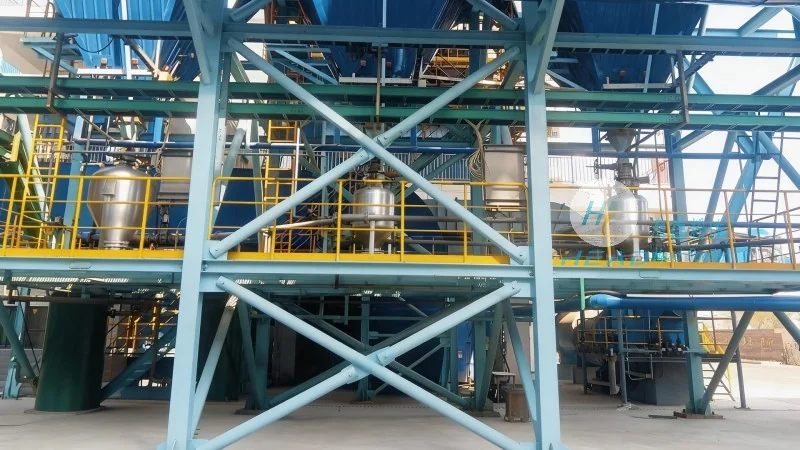
A pneumatic conveying system for calcium hydroxide operates by using air or other gases to transport the material from one location to another. This method is particularly advantageous for handling fine powders like calcium hydroxide, which can be difficult to manage using traditional mechanical conveyors. The system typically consists of several key components, including a hopper, a feeder, a conveying line, and a receiver. Each component plays a vital role in the overall functionality of the system.
Key Components and Their Functions
The hopper serves as the storage container for the calcium hydroxide powder. It is designed to hold a sufficient quantity of material to ensure continuous operation without frequent refilling. The feeder, often a rotary valve or a screw feeder, regulates the flow of material from the hopper into the conveying line. This component is crucial for maintaining a consistent flow rate, which directly impacts the efficiency of the system. The conveying line, usually made of metal or plastic, transports the material along the desired path. It is equipped with appropriate fittings and bends to accommodate changes in direction. The receiver, at the end of the line, collects the conveyed material and disposes of it into a storage or processing unit.

Working Principle of the Pneumatic Conveying Process
The core of the pneumatic conveying system lies in the generation of airflow. The system uses a blower or a compressor to create a pressure differential between the hopper and the receiver. When the feeder opens, the material is drawn into the conveying line by the moving air. The air velocity is maintained at a level sufficient to keep the powder particles suspended and prevent clogging. The pressure and velocity of the air are carefully controlled to ensure that the material is transported smoothly without excessive wear on the system components. This process allows for the safe and efficient transfer of calcium hydroxide, even over long distances or through complex layouts.
Advantages of Using Pneumatic Conveying for Calcium Hydroxide
Implementing a pneumatic conveying system for calcium hydroxide offers several benefits over traditional methods. Firstly, it eliminates the need for mechanical components that can cause wear and tear, reducing maintenance costs and extending the system's lifespan. Secondly, the system provides a dust-free environment, which is essential for maintaining workplace safety and compliance with environmental regulations. Thirdly, it allows for the transportation of material through multiple points or over long distances without the need for intermediate storage, improving overall operational efficiency. Additionally, the system can be easily integrated with other processing equipment, such as mixers or reactors, to form a seamless production line.
Applications in Industrial Settings
The pneumatic conveying system for calcium hydroxide is widely used in various industrial sectors. In the construction industry, it is employed for the supply of lime to mortar and concrete mixing plants. In the chemical industry, it facilitates the transfer of lime in the production of calcium carbonate and other derivatives. The food industry also utilizes this system for the handling of lime in food processing applications, where hygiene and dust control are paramount. Furthermore, in the environmental sector, the system aids in the transportation of lime for water treatment and flue gas desulfurization processes.

Considerations for System Design and Installation
When designing and installing a pneumatic conveying system for calcium hydroxide, several factors must be considered to ensure optimal performance. The material's properties, such as its particle size, density, and flowability, are critical in determining the appropriate air velocity and pressure. The system must be designed to handle the specific characteristics of calcium hydroxide to prevent issues like clogging or uneven flow. Additionally, the selection of materials for the conveying line and components is essential to resist corrosion and wear from the powder. Proper maintenance, including regular cleaning and inspection of the system, is necessary to maintain its efficiency and longevity. The system should also be installed with appropriate safety measures, such as dust collection and explosion-proof features, to comply with industrial safety standards.
Conclusion
The pneumatic conveying system for calcium hydroxide is a sophisticated and efficient method for handling this essential chemical. By understanding its working principle and the key components involved, industries can optimize their operations, improve safety, and reduce costs. With proper design and maintenance, such systems provide reliable and continuous transportation of calcium hydroxide, supporting the smooth functioning of various industrial processes. As a leading provider in this field, Shandong HeadPowder Engineering Co., Ltd. specializes in the design, manufacturing, and installation of pneumatic conveying systems tailored to the specific needs of clients, ensuring high-quality and effective solutions for calcium hydroxide handling.