

Introduction to Pneumatic Conveying of Rice Grains and Explanation of the Working Principle of Pneum
HeadPowder, a leading provider of advanced material handling solutions, specializes in the design, manufacturing, and installation of pneumatic conveying systems tailored for diverse industrial applications. This article provides an overview of pneumatic conveying systems, focusing on the specific challenges and solutions for conveying rice grains, while detailing the fundamental working principles that underpin these efficient material transport technologies.
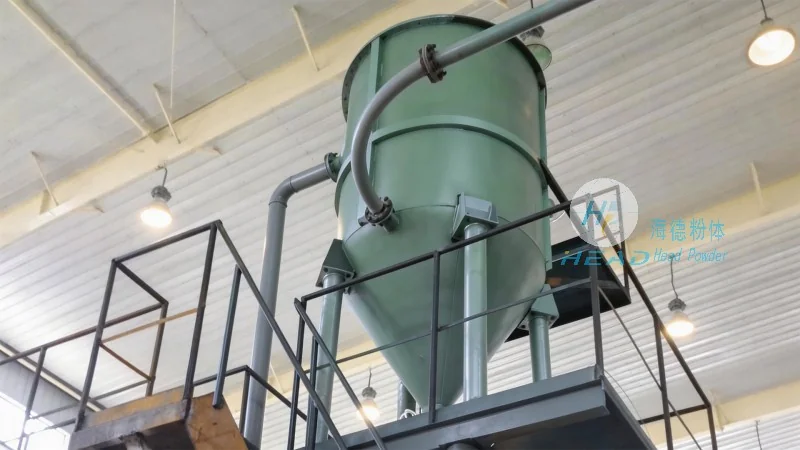
Understanding Pneumatic Conveying Systems
Pneumatic conveying systems utilize the principles of fluid dynamics to transport bulk materials, such as rice grains, through a closed pipeline system using air or other gases as the conveying medium. Unlike traditional mechanical conveying methods like belt conveyors or screw conveyors, pneumatic systems offer advantages including reduced product contamination, improved hygiene, and the ability to handle materials in a dust-free environment. These systems are particularly suitable for delicate products like rice, which require gentle handling to preserve quality and prevent breakage.
The Working Principle of Pneumatic Conveying
The core mechanism of a pneumatic conveying system involves the creation of a pressure differential within the pipeline. In a typical positive pressure system, a blower or compressor generates high-pressure air that forces the rice grains into the pipeline. The air and material mixture travels through the pipeline, with the air providing the necessary kinetic energy to move the grains. At the discharge point, a separator or cyclone separates the air from the material, allowing the rice grains to be deposited into the target container. The air is then filtered and recycled back into the system, ensuring energy efficiency and minimal waste.

Key Components of a Pneumatic Conveying System
Several critical components work in tandem to ensure the smooth operation of a pneumatic conveying system for rice grains. These include:
- Conveying Pipeline: The pipeline is typically made of stainless steel or other corrosion-resistant materials to withstand the abrasive nature of rice grains and maintain hygiene standards. The design of the pipeline, including bends and transitions, is optimized to minimize pressure loss and prevent material buildup.
- Air Supply Unit: This component, which may consist of a blower, compressor, or vacuum pump, generates the necessary air pressure or vacuum to move the rice grains. The choice of air supply unit depends on the system's capacity, material characteristics, and the desired conveying velocity.
- Feeder: The feeder is responsible for introducing the rice grains into the pipeline at a controlled rate. For rice, a rotary valve or a screw feeder is commonly used to ensure consistent material flow and prevent clogging.
- Separator/Filter: The separator, often a cyclone or a bag filter, separates the air from the rice grains at the discharge point. This component is crucial for maintaining air quality and preventing dust emissions, which is essential for compliance with environmental regulations and workplace safety standards.
- Control System: Modern pneumatic conveying systems are equipped with advanced control systems that monitor and regulate the flow of air and material. These systems can adjust the air pressure, feeder speed, and other parameters in real-time to optimize performance and prevent system failures.
Advantages of Pneumatic Conveying for Rice Grains
Implementing a pneumatic conveying system for rice grains offers numerous benefits that enhance operational efficiency and product quality. Some of the key advantages include:

- Hygienic and Clean Operation: Pneumatic systems operate in a closed environment, eliminating the risk of contamination from external sources. This is particularly important for food products like rice, where hygiene is a top priority.
- Reduced Product Damage: The gentle handling of rice grains by pneumatic systems minimizes breakage and reduces the formation of fines, which can affect the quality and market value of the product.
- Energy Efficiency: By recycling the air used in the conveying process, pneumatic systems achieve high energy efficiency, reducing operational costs and environmental impact.
- Space Efficiency: Pneumatic conveying systems can be installed in compact spaces, making them suitable for facilities with limited floor area.
- Flexibility in Layout: The closed pipeline design allows for flexible system layouts, enabling the conveyance of rice grains between multiple locations within a facility without the need for complex mechanical connections.
Application Examples in the Rice Industry
Pneumatic conveying systems are widely used in various stages of the rice processing industry. For instance, in rice mills, these systems are employed to transport raw rice from storage silos to processing equipment, such as dehuskers and polishers. In storage facilities, pneumatic conveyors are used to move rice from storage bins to packaging lines or to transfer rice between different storage areas. Additionally, in food processing plants, pneumatic systems are used to convey rice for further processing, such as cooking or blending with other ingredients.
Conclusion
HeadPowder, with its expertise in material handling solutions, offers comprehensive pneumatic conveying systems designed to meet the specific needs of rice grain transport. By leveraging the fundamental principles of fluid dynamics and advanced engineering, these systems provide efficient, hygienic, and cost-effective solutions for the rice industry. Whether for small-scale operations or large industrial facilities, pneumatic conveying systems from HeadPowder ensure reliable and consistent material transport, contributing to improved productivity and product quality in the rice processing sector.