

Application of Pneumatic Conveying in the Bulk Transport of Dust Collector Ash
In industrial facilities managing dust collector ash, efficient and reliable bulk material handling is paramount. Pneumatic conveying systems provide a solution that minimizes manual handling, reduces operational risks, and ensures consistent material transport. This section explores the application of pneumatic conveying in the context of dust collector ash, highlighting key considerations and benefits.

About Shandong HeadPowder Engineering Co., Ltd.
Shandong HeadPowder Engineering Co., Ltd., commonly known as headpowder, is a specialized engineering firm based in Shandong, China. With a focus on delivering tailored solutions for bulk material handling, the company has developed expertise in pneumatic conveying technologies, particularly for challenging materials like dust collector ash. Their engineering approach emphasizes efficiency, safety, and durability, aligning with the needs of industrial clients across various sectors.
Key Advantages of Pneumatic Conveying for Dust Collector Ash
Compared to traditional methods such as belt conveyors or bucket elevators, pneumatic conveying offers distinct advantages for dust collector ash transport. First, it eliminates mechanical components that directly contact the material, reducing wear and extending equipment lifespan. Second, the enclosed system prevents dust emissions, enhancing workplace safety and environmental compliance. Third, pneumatic systems can operate at higher speeds and with greater layout flexibility, improving integration into existing industrial processes. These benefits collectively lead to lower maintenance costs and higher overall productivity.

System Components and Design Considerations
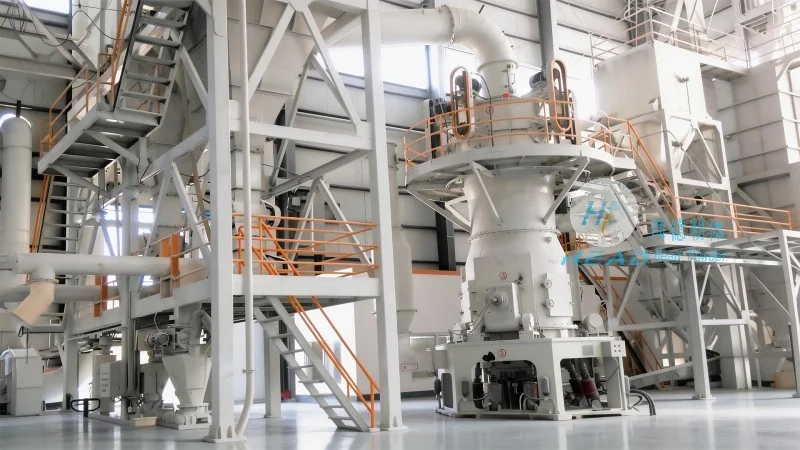
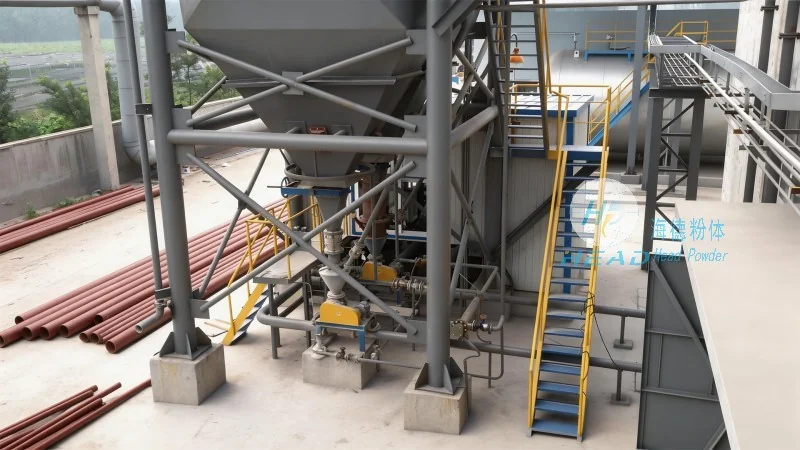
A typical pneumatic conveying system for dust collector ash includes a material feed hopper, a conveyor line (often made of stainless steel or corrosion-resistant materials), a dust collector/filter system, and a control unit. System design must account for the ash's properties—such as particle size, moisture content, and abrasiveness. For instance, fine particles may require higher air velocities for efficient transport, while abrasive materials demand reinforced pipe systems to prevent wear. The choice between suction (induced flow) and pressure (forced flow) conveying also depends on material characteristics and system layout.
Real-World Applications and Case Studies
Shandong HeadPowder Engineering Co., Ltd. has successfully implemented pneumatic conveying systems for dust collector ash in diverse industrial settings. One example involves a power plant where electrostatic precipitator ash was transported over long distances to a storage facility. The system, combining suction and pressure stages, ensured reliable operation even under adverse conditions. Another case was in a cement plant, where ash was used as a supplementary cementitious material. The pneumatic system enabled precise dosing and seamless integration with existing processing lines, boosting operational efficiency. These case studies illustrate the versatility and effectiveness of pneumatic conveying in handling dust collector ash across different industries.
Maintenance and Operational Best Practices
Proper maintenance is critical to sustaining the performance and reliability of pneumatic conveying systems for dust collector ash. Regular inspection of the conveyor line for wear or blockages is essential, as obstructions can cause inefficiencies or failures. The dust collector and filter system must also be maintained to avoid clogging and ensure effective dust removal. Monitoring air pressure and flow rates provides early detection of issues, allowing timely intervention. Following these best practices minimizes downtime, reduces maintenance costs, and preserves the system's high efficiency over its operational life.