

Positive Pressure and Negative Pressure Conveying of Soybean Meal: A Comparative Analysis of Two Pne
When it comes to transporting soybean meal, the choice of conveying method can significantly impact operational efficiency, cost-effectiveness, and product quality. Pneumatic conveying systems offer a flexible solution for moving bulk materials like soybean meal, and among the most common approaches are positive pressure and negative pressure conveying. This analysis, provided by Shandong HeadPowder Engineering Co., Ltd., a leading manufacturer of pneumatic conveying equipment, delves into the characteristics, advantages, and limitations of both methods to help industry professionals make informed decisions for their soybean meal handling operations.

Positive Pressure Conveying: Working Principle and Applications
Positive pressure conveying, also known as pressure pneumatic conveying, operates by generating air pressure within the conveying line to move material. In this system, a positive pressure blower or compressor creates an air stream that propels the material forward. The material is typically fed into the system at the inlet, where it is mixed with the high-pressure air and transported through the pipeline to the discharge point. For soybean meal, positive pressure systems are often used in applications where the material needs to be conveyed over longer distances or through complex network layouts. The high pressure ensures that the material is moved efficiently, even when dealing with relatively dry or fine materials like soybean meal.
One of the key advantages of positive pressure conveying is its ability to handle long-distance and complex conveying routes. The system can be designed with multiple branches and turns, making it suitable for facilities with multiple processing units or storage silos. Additionally, positive pressure systems can maintain a consistent flow rate, which helps in maintaining product quality by minimizing material degradation or segregation. However, these systems require robust equipment, including high-pressure blowers and durable pipelines, which can increase initial investment costs. Maintenance of the high-pressure components also demands regular checks to ensure optimal performance and prevent failures.

Negative Pressure Conveying: Working Principle and Applications
Negative pressure conveying, or vacuum pneumatic conveying, operates by creating a vacuum in the conveying line to draw material into the system. In this method, a vacuum pump creates a low-pressure environment that pulls the material from the source into the pipeline. The material is then carried by the air stream to the discharge point. Negative pressure systems are particularly suitable for applications where the material needs to be collected from multiple points or where the source is at a higher elevation than the discharge point. For soybean meal, negative pressure conveying is often used in scenarios where the material is being transferred from a storage silo or a processing unit to a central collection point. The vacuum system allows for gentle handling of the material, reducing the risk of breakage or agglomeration, which is crucial for maintaining the quality of soybean meal.
A major advantage of negative pressure conveying is its gentle material handling. The low-pressure environment minimizes the impact on the material, making it ideal for delicate products like soybean meal. This method also allows for the collection of material from multiple sources without the need for complex branching, as the vacuum can draw material from various points into a single pipeline. However, negative pressure systems have limitations in terms of conveying distance and material density. The vacuum pressure is typically lower than positive pressure, which restricts the distance over which material can be conveyed. Additionally, the system may not be as efficient for handling very dry or fine materials, as the low pressure can lead to material settling or blockages in the pipeline.

Comparative Analysis: Key Differences and Considerations
When comparing positive and negative pressure conveying for soybean meal, several factors come into play. The choice between the two methods depends on the specific operational requirements, such as the distance to be covered, the layout of the facility, and the characteristics of the material. Positive pressure systems excel in long-distance and complex conveying scenarios, offering higher conveying speeds and greater flexibility in system design. They are also more suitable for handling a wide range of material types, including dry and fine materials like soybean meal. On the other hand, negative pressure systems are preferred for their gentle handling, making them ideal for preserving the quality of delicate products. They are also more cost-effective for shorter distances and simpler layouts.
From an operational perspective, positive pressure systems require more maintenance due to the high-pressure components, while negative pressure systems may need more frequent cleaning to prevent material buildup in the vacuum pump and pipeline. Energy consumption is another factor to consider, as positive pressure systems typically consume more power due to the higher air pressure required. Negative pressure systems, while consuming less power, may have higher maintenance costs related to the vacuum pump and filtration systems.
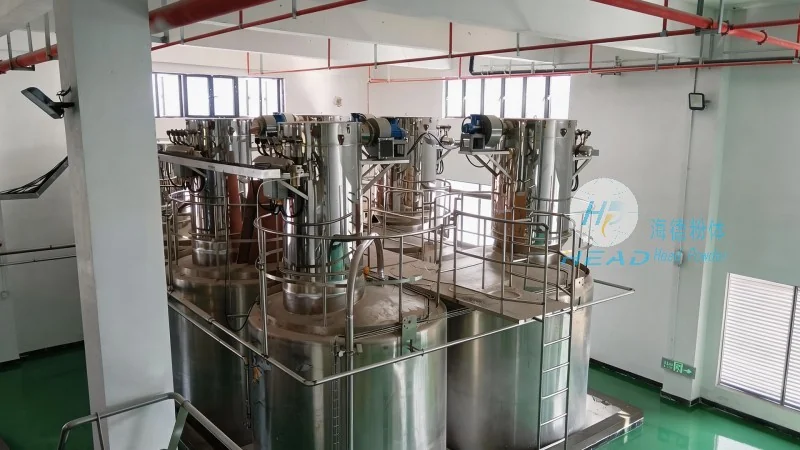
Cost is a significant consideration in the selection of a conveying method. Positive pressure systems generally have higher initial investment costs due to the need for high-pressure blowers and robust pipelines. However, their longer operational life and lower maintenance costs over time can make them more economical for large-scale operations. Negative pressure systems have lower initial costs but may incur higher maintenance expenses, especially if the vacuum pump and filtration systems require frequent replacement. The total cost of ownership (TCO) should be evaluated based on the specific operational parameters and expected lifespan of the equipment.
Conclusion: Choosing the Right Conveying Method for Soybean Meal
Both positive pressure and negative pressure pneumatic conveying methods have their unique advantages and limitations when applied to soybean meal handling. Positive pressure conveying is ideal for long-distance and complex conveying requirements, offering high efficiency and flexibility. Negative pressure conveying, on the other hand, excels in gentle material handling and is suitable for shorter distances and simpler layouts. The choice between the two methods should be based on a thorough analysis of the operational needs, including the distance to be covered, the material characteristics, and the layout of the facility. By understanding the differences in working principles, advantages, and limitations, industry professionals can select the most appropriate conveying method to optimize their soybean meal handling operations and ensure product quality and operational efficiency.