

Classification and Composition of Film-Coated Sand Pneumatic Conveying Systems
HeadPowder, a leading provider of industrial solutions, specializes in the design and manufacturing of film-coated sand pneumatic conveying systems. This article explores the classification and essential components of such systems, offering insights into their functionality and application in various industrial sectors.

Introduction to Film-Coated Sand Pneumatic Conveying Systems
Film-coated sand pneumatic conveying systems are critical in industries that require efficient and reliable material handling for sand with protective coatings. These systems utilize air or gas to transport the material from one location to another, ensuring minimal product degradation and consistent performance. The classification of these systems is based on several key factors, including the type of conveying method, the pressure used, and the application requirements.
Classification of Pneumatic Conveying Systems
There are primarily two main classifications of pneumatic conveying systems: dilute-phase and dense-phase. Dilute-phase systems operate at low pressure and high air velocity, suitable for transporting fine powders over moderate distances. Dense-phase systems, on the other hand, use higher pressure and lower air velocity to move bulk materials, often with less risk of product degradation. Within these categories, further sub-classifications exist based on the system's configuration, such as pressure or vacuum-based designs.

Key Components of Film-Coated Sand Pneumatic Conveying Systems
The effectiveness of a film-coated sand pneumatic conveying system depends on its integrated components, each playing a crucial role in the overall operation. The primary components include the hopper, feeder, conveying line, and receiver. The hopper serves as the storage container for the film-coated sand, ensuring a consistent feed. The feeder regulates the material flow into the conveying line, preventing blockages and maintaining system efficiency. The conveying line, typically made of stainless steel or other corrosion-resistant materials, transports the material using air pressure. The receiver collects the conveyed material at the destination, often equipped with filtration systems to remove any residual dust or particles.

Additional Components and Their Functions
Several auxiliary components enhance the performance and safety of the system. These include air compressors or vacuum pumps that generate the necessary pressure or vacuum for material transport. Filtration systems, such as cyclones or bag filters, capture fine particles and protect the air system from contamination. Control valves and sensors monitor and regulate the system's operation, ensuring optimal performance and preventing overloading or underpressure conditions. Additionally, safety devices like pressure relief valves and emergency shut-off mechanisms are integrated to protect the system and personnel from potential hazards.
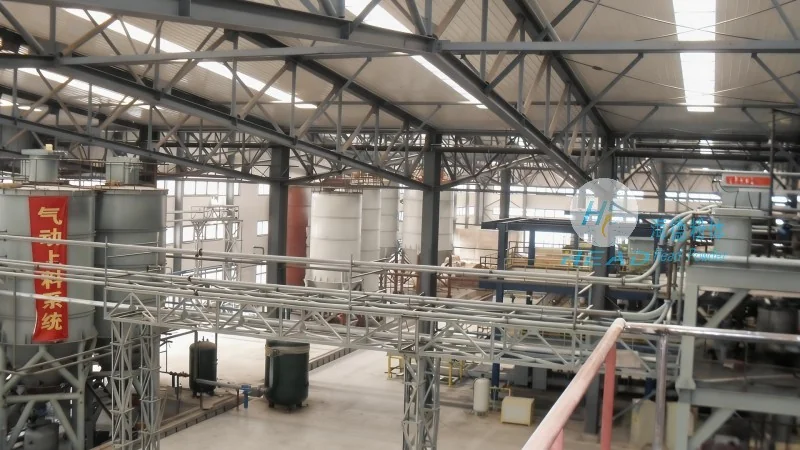
Application and Industry Use Cases
Film-coated sand pneumatic conveying systems are widely used in various industries, including foundries, construction, and chemical processing. In foundries, these systems efficiently transport sand with protective coatings to molding and casting operations, improving production efficiency and reducing manual handling. In construction, they assist in the transport of sand for concrete mixing and other applications, ensuring consistent material quality. The systems are also employed in chemical processing to handle sand-based materials, maintaining product integrity and safety standards.
Conclusion
Understanding the classification and composition of film-coated sand pneumatic conveying systems is essential for industries seeking efficient material handling solutions. By leveraging the right combination of components and classification, these systems offer reliable, cost-effective, and environmentally friendly material transport. HeadPowder, with its expertise in engineering and manufacturing, provides tailored solutions that meet the specific needs of clients, ensuring optimal performance and longevity of the systems.