

Design Considerations for the Pneumatic Conveying System of Aluminum Dross
When designing a pneumatic conveying system for aluminum dross, several critical factors must be considered to ensure efficiency, reliability, and cost-effectiveness. Aluminum dross, a byproduct of aluminum smelting and processing, poses unique challenges due to its abrasive nature and varying particle sizes. A well-engineered system not only optimizes material handling but also minimizes operational risks and maintenance costs.
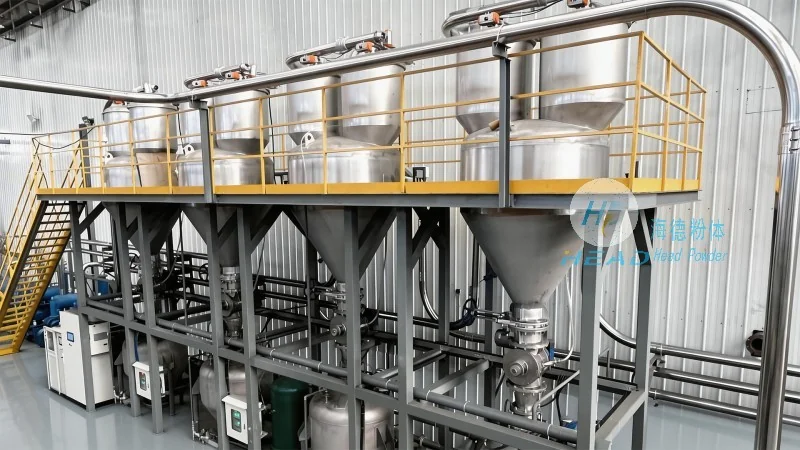
About HeadPowder Engineering
HeadPowder, a leading provider of industrial material handling solutions, specializes in designing and implementing pneumatic conveying systems tailored to the specific needs of the aluminum industry. With a strong focus on innovation and customer satisfaction, our team of engineers leverages decades of experience to deliver robust solutions that meet the demanding requirements of modern aluminum processing facilities. HeadPowder Engineering is headquartered in Shandong, China, and serves clients globally with expertise in material handling technologies.
System Selection and Design Considerations
The first step in designing an aluminum dross pneumatic conveying system is selecting the appropriate conveying method. For aluminum dross, which often has high moisture content and abrasive properties, positive pressure systems are typically preferred over negative pressure systems. Positive pressure systems use a blower to push air and material through the pipeline, reducing the risk of material degradation and system blockages. Key design considerations include the material's bulk density, flowability, and abrasiveness, as well as the required conveying distance and throughput. Our engineers conduct thorough material analysis to determine the optimal air velocity, pipeline diameter, and pressure levels, ensuring the system operates within safe and efficient parameters.

Pipeline Design and Material Selection
Pipeline design is a critical component of the system's overall performance. The choice of pipe material is essential to withstand the abrasive nature of aluminum dross, which can cause significant wear over time. Stainless steel or high-grade alloy pipes are commonly used due to their corrosion resistance and durability. The pipeline layout should be designed to minimize bends and changes in direction, as excessive curvature can lead to pressure losses and material accumulation. Additionally, the use of flexible connectors and expansion joints helps accommodate thermal expansion and reduce stress on the system components. Proper sealing of joints is also crucial to prevent air leakage, which can reduce conveying efficiency and increase energy consumption.
Equipment Selection: Blowers and Separators
The selection of the blower is a key decision in pneumatic conveying system design. For aluminum dross applications, high-pressure, positive displacement blowers are often preferred. These blowers provide consistent air pressure and volume, ensuring reliable material transport even with varying material conditions. The blower's capacity should be matched to the system's required air flow rate, taking into account the material's density and the pipeline length. Separators are another critical component, responsible for separating the conveyed material from the air stream. Cyclone separators are commonly used in aluminum dross systems due to their efficiency in handling abrasive materials. The separator's design, including the number of stages and the angle of the cyclone, is optimized to maximize material recovery while minimizing air loss. Regular maintenance of the separator is essential to maintain its performance and prevent clogging.
Control Systems and Automation
Modern pneumatic conveying systems for aluminum dross often incorporate advanced control systems to enhance operational efficiency and safety. These systems may include sensors to monitor pressure, flow rate, and material level, providing real-time data to operators. Automated controls can adjust blower speed, air pressure, and other parameters based on the system's operating conditions, optimizing energy use and reducing downtime. Safety features such as pressure relief valves and emergency shut-off mechanisms are integrated to protect the system and personnel from potential hazards. The use of programmable logic controllers (PLCs) allows for seamless integration with other plant systems, enabling centralized monitoring and control.

Maintenance and Long-Term Performance
Proper maintenance is crucial to ensure the long-term reliability and efficiency of an aluminum dross pneumatic conveying system. Regular inspections of pipeline and equipment for signs of wear or damage are essential. The blower and separator components should be inspected periodically for wear and replaced as needed. Cleaning the system, especially the cyclone separator, is necessary to prevent material buildup and maintain performance. A well-planned maintenance schedule, including routine checks and preventive maintenance, helps minimize unexpected downtime and extends the system's service life. HeadPowder Engineering provides comprehensive maintenance services and spare parts support to ensure clients can keep their systems operating at peak performance.
Conclusion
Designing an effective pneumatic conveying system for aluminum dross requires careful consideration of material properties, system components, and operational requirements. By leveraging the expertise of companies like HeadPowder Engineering, aluminum processing facilities can achieve efficient material handling, reduced operational costs, and improved safety. With a focus on tailored solutions and ongoing support, HeadPowder Engineering helps clients optimize their material handling processes and stay competitive in the aluminum industry.