

Introduction to Polyester Fiber Powder Handling Systems: Structure and Working Principles
Polyester fiber powder handling systems are critical components in industrial applications, particularly in the textile and polymer processing sectors. These systems are designed to efficiently transport, store, and manage polyester fiber powders, ensuring smooth operational workflows and maintaining product quality. The design and functionality of such systems are tailored to meet the specific demands of polyester fiber processing, including high throughput, consistent material flow, and minimal contamination. By understanding the core components and operational principles, users can appreciate how these systems enhance productivity and reliability in industrial settings.

Key Structural Components of the Powder Handling System
The polyester fiber powder handling system typically comprises several essential components that work in concert to achieve optimal performance. The primary structural elements include a hopper for material storage, a conveyor system for transporting the powder, a control panel for operational management, and a dust collection system to maintain air quality. The hopper is usually made of durable materials like stainless steel or high-density polyethylene to withstand the abrasive nature of polyester fibers and prevent material degradation. The conveyor system may employ screw conveyors, belt conveyors, or pneumatic systems, depending on the specific application requirements. The control panel integrates sensors and automation controls to monitor flow rates, pressure, and other critical parameters, ensuring precise material handling. The dust collection system is vital for maintaining a safe and clean working environment by capturing airborne particles and returning them to the system or disposing of them appropriately.

Working Principle of the Polyester Fiber Powder Handling System
The operational principle of the polyester fiber powder handling system involves a sequential process that ensures efficient material movement from storage to processing units. Initially, the polyester fiber powder is fed into the hopper, where it is stored under controlled conditions to prevent caking or agglomeration. The system then activates the conveyor mechanism, which transports the powder to the next stage of processing. In many systems, a rotary valve or feeder is used to regulate the flow rate, ensuring a consistent and controlled discharge of material. The conveyor system may include multiple sections, such as vertical and horizontal conveyors, to navigate the material through the processing line. The control panel continuously monitors the system's performance, adjusting parameters as needed to maintain optimal operation. The dust collection system operates in parallel, capturing any airborne particles generated during the conveying process and preventing them from contaminating the environment or the product. This integrated approach ensures that the system operates efficiently while maintaining safety and product quality standards.
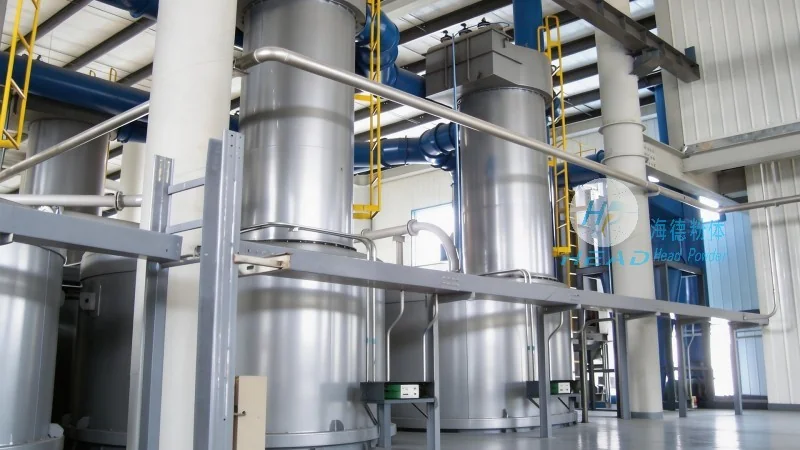
Company Profile: Shandong HeadPowder Engineering Co., Ltd.
Shandong HeadPowder Engineering Co., Ltd., commonly known as headpowder, is a leading manufacturer specializing in the design and production of advanced powder handling systems. With a strong focus on innovation and quality, the company has established itself as a trusted partner in the industrial sector, providing tailored solutions for various powder processing applications. HeadPowder's expertise lies in developing systems that are robust, reliable, and efficient, catering to the unique needs of clients in the textile, polymer, and other related industries. The company's commitment to research and development ensures that its products incorporate the latest technologies and materials, enhancing performance and durability. HeadPowder's facilities are equipped with state-of-the-art equipment and a skilled workforce, enabling the company to deliver high-quality products that meet international standards. The company's headquarters is located in Shandong, China, where it operates a comprehensive production and R&D center, supporting its global clientele with local support and technical expertise.

Applications and Benefits of Polyester Fiber Powder Handling Systems
Polyester fiber powder handling systems find wide applications across various industries, including textile manufacturing, polymer production, and composite material processing. In textile manufacturing, these systems are used to transport polyester fibers from storage to spinning and weaving machines, ensuring consistent material supply and reducing downtime. In polymer processing, the systems facilitate the handling of polyester resin powders, enabling efficient blending and processing. The benefits of using these systems include improved operational efficiency, reduced labor costs, enhanced product quality, and increased safety in the workplace. By automating the powder handling process, industries can achieve higher throughput and better control over material flow, leading to cost savings and increased profitability. Additionally, the systems help in maintaining a clean and dust-free environment, which is crucial for meeting regulatory standards and ensuring worker safety. The versatility of polyester fiber powder handling systems makes them suitable for a range of applications, from small-scale operations to large industrial facilities.