

Operation Process and Working Principle of Pneumatic Conveying Equipment for Solid Powder Materials
Pneumatic conveying equipment is a critical component in industrial material handling, particularly for transporting solid powder materials efficiently and safely. This technology utilizes air or gas to move powders through a pipeline system, offering advantages such as low maintenance, minimal product contamination, and the ability to handle a wide range of materials. The equipment is widely used in industries like pharmaceuticals, food processing, chemicals, and mining, where precise and clean material transfer is essential.

Company Overview: HeadPowder Engineering
HeadPowder, a leading manufacturer based in Shandong, China, specializes in the design, manufacturing, and supply of advanced pneumatic conveying systems. With a strong commitment to quality and innovation, the company has established itself as a trusted partner for businesses seeking reliable solutions for powder handling challenges. HeadPowder's products are engineered to meet stringent industry standards, ensuring durability, efficiency, and optimal performance in diverse operational environments.
Key Components of Pneumatic Conveying Equipment
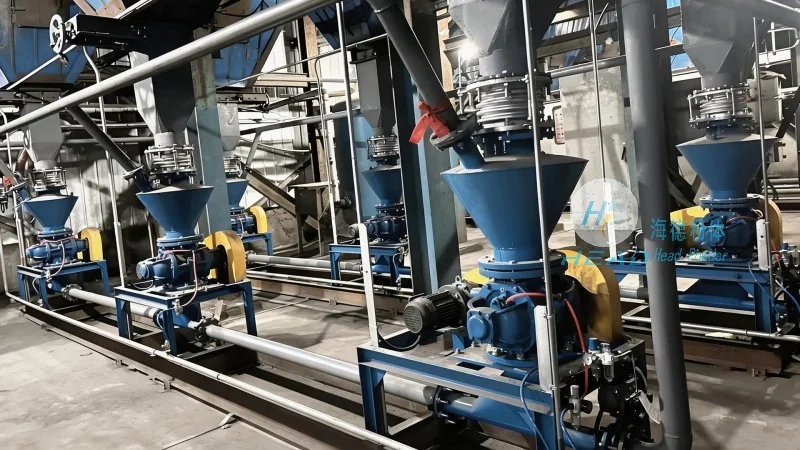
The core components of a pneumatic conveying system include the hopper, feeder, air compressor, pipeline, and receiver. The hopper stores the solid powder, while the feeder controls the flow rate to the system. The air compressor generates the necessary pressure or vacuum to move the material through the pipeline. The pipeline transports the powder-air mixture, and the receiver collects the material at the destination. Each component plays a vital role in ensuring the smooth operation of the entire system.
Operation Process of Pneumatic Conveying
The operation process of a pneumatic conveying system typically involves several stages. First, the solid powder is loaded into the hopper. The feeder then regulates the material flow into the pipeline. Simultaneously, the air compressor supplies compressed air, which is introduced into the pipeline. The air and powder mixture is then propelled through the pipeline to the receiver. The receiver collects the material, and the air is either filtered and recycled or vented to the atmosphere. This continuous process allows for efficient and uninterrupted material transfer.
Working Principle of Pneumatic Conveying
The working principle of pneumatic conveying relies on the interaction between air and solid particles. In a pressure system, compressed air is used to push the powder through the pipeline. The air velocity must be sufficient to overcome the gravitational and frictional forces acting on the particles. In a vacuum system, the air is drawn through the pipeline, creating a negative pressure that pulls the powder into the system. The design of the pipeline, including the diameter and bends, is crucial for maintaining the air velocity required for effective conveying. Properly designed systems ensure that the powder remains suspended in the air stream, preventing blockages and ensuring consistent flow.
Advantages of Pneumatic Conveying Systems
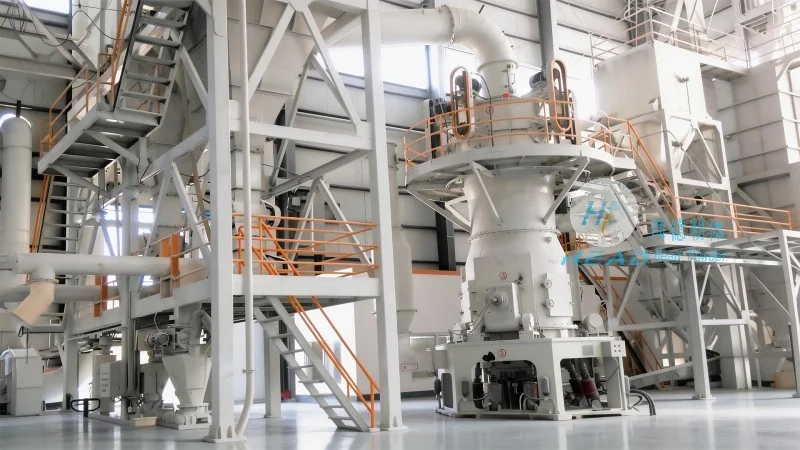
Pneumatic conveying systems offer several advantages over traditional methods like belt conveyors or bucket elevators. These include reduced product contamination due to enclosed pipelines, lower labor costs as the system operates automatically, and the ability to handle materials with varying properties, such as moisture content or particle size. Additionally, the system can be easily integrated into existing production lines, and its modular design allows for scalability to accommodate growing production needs. The low maintenance requirements and energy efficiency further enhance the economic benefits of pneumatic conveying.
Applications and Customization
HeadPowder's pneumatic conveying equipment is tailored to meet the specific needs of various applications. For example, in the pharmaceutical industry, the systems are designed to maintain sterile conditions and prevent cross-contamination. In the food industry, the equipment is constructed from food-grade materials to ensure compliance with safety regulations. The company offers customized solutions, including different conveying methods (e.g., pressure, vacuum, or mixed systems) and pipeline configurations, to suit the unique requirements of each client. This flexibility ensures that businesses can achieve optimal performance and efficiency in their material handling processes.