

Operation Process and Working Principle of Paper Chip Powder Pneumatic Conveying Machine
HeadPowder, a leading manufacturer based in Shandong, China, specializes in the design and production of advanced pneumatic conveying systems tailored for handling paper chips and other fine powders. These machines are engineered to efficiently transport bulk materials through an air-driven system, offering a reliable solution for industries requiring precise and low-maintenance material handling. The paper chip powder pneumatic conveying machine is a critical component in processing facilities, enabling seamless movement of raw materials from storage to processing units while maintaining product integrity and operational efficiency.

Key Components and Structure of the Pneumatic Conveyor
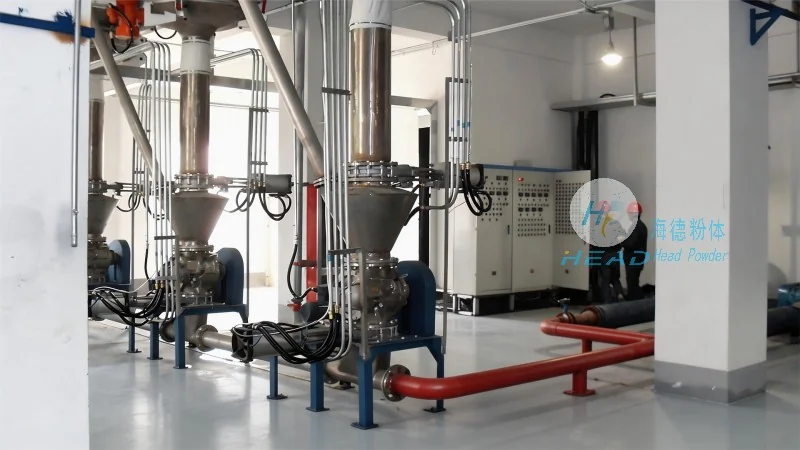
The pneumatic conveying system for paper chips typically consists of several core components that work in tandem to achieve effective material transport. These include a hopper for material storage, a rotary valve or feeder to control the flow of paper chips, a conveying pipeline, a fan or blower to generate the necessary air pressure, and a discharge outlet for material release. The design of these components is optimized to handle the specific characteristics of paper chips, such as their lightweight nature and potential for dust generation, ensuring minimal product degradation during transport. The pipeline system is often constructed from durable materials like stainless steel or corrosion-resistant alloys to withstand the abrasive properties of paper chips and prevent material buildup or clogging.
Operation Process of the Pneumatic Conveying Machine
The operation of a paper chip powder pneumatic conveying machine involves a sequential process that ensures consistent and efficient material movement. Initially, paper chips are fed into the hopper from a storage bin or processing line. The rotary valve or feeder then regulates the flow of material into the conveying pipeline, controlling the rate of material discharge. Simultaneously, the fan or blower generates a high-pressure air stream within the pipeline, creating a vacuum or pressure differential that propels the paper chips forward. As the air and material mixture travels through the pipeline, the paper chips are suspended and transported to the discharge point. The discharge outlet is typically equipped with a control valve or regulator to manage the release of material into the next processing stage, such as a dryer or compactor. The entire process is automated, with sensors and controls monitoring the flow rate, air pressure, and material level to maintain optimal performance and prevent system failures.
Working Principle of the Pneumatic Conveying System
The working principle of the paper chip powder pneumatic conveying machine is based on the fundamental concept of pneumatic transport, where materials are conveyed using a gas (air) as the medium. The system operates by creating a pressure difference between the inlet and outlet of the pipeline. In a suction-type system, the fan draws air from the discharge end, creating a negative pressure that pulls the paper chips into the pipeline. In a pressure-type system, the fan forces air from the inlet, pushing the material through the pipeline. For paper chips, a combination of both suction and pressure may be used to achieve the best transport efficiency, especially when dealing with long or complex pipeline layouts. The air velocity within the pipeline is carefully controlled to ensure that the paper chips are fully suspended without causing excessive wear on the pipeline or components. This balance of air velocity and material flow is crucial for maintaining the integrity of the paper chips and preventing clogging or blockages in the system.

Advantages of Using Pneumatic Conveying for Paper Chips
Implementing a paper chip powder pneumatic conveying machine offers several advantages over traditional material handling methods. Firstly, it provides a closed system that minimizes dust emissions and environmental contamination, which is particularly important for paper chip processing where dust can affect air quality and worker health. Secondly, the system is highly efficient in terms of energy consumption, as the air-driven mechanism requires less power compared to mechanical conveyors like belt or screw conveyors. Thirdly, the pneumatic conveyor allows for flexible and scalable system designs, enabling easy integration with existing processing lines or expansion to accommodate increased production volumes. Additionally, the system reduces labor costs by automating the material transport process, minimizing the need for manual handling and reducing the risk of material spillage or damage. These advantages make the pneumatic conveying machine an ideal solution for industries seeking a reliable, cost-effective, and environmentally friendly method of handling paper chips.

Applications and Industries Utilizing This Technology
The paper chip powder pneumatic conveying machine is widely used across various industries that process paper chips and fine powders. In the paper manufacturing industry, these machines are essential for transporting raw paper chips from storage to the pulping or drying stages. In the recycling sector, they facilitate the movement of recycled paper chips from collection to processing facilities, supporting the circular economy by efficiently handling waste materials. Additionally, industries involved in the production of paper-based products, such as packaging or tissue manufacturing, utilize pneumatic conveyors to transport paper chips to the manufacturing lines. The versatility of the system also makes it suitable for other applications, including the handling of agricultural residues or other lightweight materials that require gentle transport to avoid degradation. By providing a reliable and efficient method of material transport, the pneumatic conveying machine supports the operational needs of these industries, enhancing productivity and reducing downtime.
Maintenance and Operational Considerations
To ensure the long-term performance and reliability of a paper chip powder pneumatic conveying machine, regular maintenance and proper operational practices are essential. Regular inspection of the pipeline system is necessary to check for signs of wear, corrosion, or clogging, which can affect the efficiency of material transport. The fan or blower should be checked for proper air pressure and flow rates, as any deviations can impact the conveying performance. The rotary valve or feeder should be maintained to ensure consistent material flow, preventing blockages or uneven discharge. Additionally, the system should be cleaned regularly to remove accumulated paper chips or dust, which can reduce the efficiency of the air flow and increase the risk of system failure. Proper training of operators on the system's operation and maintenance is also crucial to prevent misuse or accidents. By following these maintenance and operational guidelines, users can maximize the lifespan of the pneumatic conveying machine and maintain optimal performance, ensuring consistent material handling and reduced downtime.