

The Operation Process and Working Principle of Glucose Powder Conveying
Shandong HeadPowder Engineering Co., Ltd., commonly known as HeadPowder, is a leading provider of specialized equipment for powder handling and conveying systems. With a focus on precision and efficiency, the company has developed advanced solutions tailored to the unique challenges of transporting glucose powder and other fine powders. Based in Shandong, China, HeadPowder leverages years of industry experience to deliver reliable and high-performance conveying systems that meet the demands of modern food processing and pharmaceutical applications.

Understanding the Core Components and Functionality
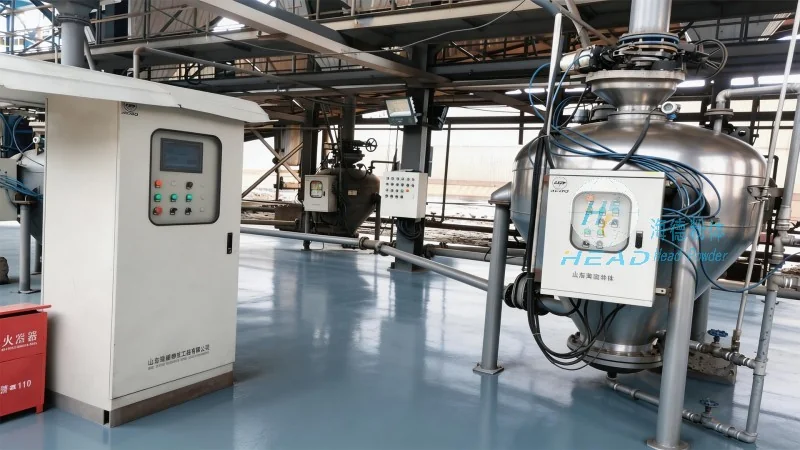
At the heart of any glucose powder conveying system is a combination of key components designed to ensure smooth, consistent, and safe material transport. The system typically includes a hopper for material storage, a conveyor mechanism (such as a screw conveyor or pneumatic system), and control systems to regulate flow rates and pressure. For glucose powder, which is hygroscopic and sensitive to moisture, the design incorporates features like airtight seals and moisture-resistant materials to maintain product quality and prevent caking or clumping. The company’s engineers prioritize material compatibility, selecting components that do not react with glucose or other sensitive substances, ensuring the integrity of the final product.

The Operation Process: Step-by-Step Breakdown
The operation of a glucose powder conveying system begins with the loading of glucose powder into the hopper. The hopper, typically made of stainless steel or other corrosion-resistant materials, is equipped with a level indicator to monitor the material volume, ensuring that the system operates within its designed capacity. Once the hopper is filled, the conveyor mechanism activates. For mechanical systems like screw conveyors, the rotating screw pushes the powder forward along the helical path, while the system maintains a consistent pressure gradient to prevent backflow. The speed of the screw is carefully controlled to match the flow rate required for the application, ensuring that the powder moves smoothly without excessive friction or energy consumption. In pneumatic conveying systems, compressed air is introduced into the hopper or conveyor line, creating a flow of air and powder. The air velocity is maintained above the minimum fluidization velocity to keep the powder suspended, and the system uses cyclone separators or filters to separate the powder from the air stream, allowing for clean collection. Throughout the operation, sensors continuously monitor key parameters such as flow rate, pressure, and temperature. These sensors feed data to the control system, which adjusts parameters in real-time to maintain optimal performance. For example, if the flow rate drops due to a blockage or change in material density, the system can automatically increase air pressure or adjust screw speed to restore normal operation. This feedback loop ensures consistent and reliable transport of glucose powder, minimizing downtime and maximizing productivity.

Working Principle: How the System Ensures Reliability
The working principle of a glucose powder conveying system revolves around the principles of fluidization and controlled pressure. The system uses a combination of mechanical and pneumatic forces to keep the powder in a suspended state, preventing it from settling or caking. The screw conveyor, for example, works by rotating at a specific speed to create a helical motion that propels the powder forward. The pitch and diameter of the screw are carefully engineered to match the particle size and flow characteristics of glucose powder, ensuring minimal friction and energy consumption. In pneumatic systems, the air velocity is maintained above the minimum fluidization velocity to keep the powder suspended, while the system uses cyclone separators or filters to separate the powder from the air stream, allowing for clean and efficient collection. The control system plays a critical role in maintaining the balance between pressure, flow rate, and temperature, ensuring that the system operates within safe and optimal parameters. By integrating sensors and feedback loops, the system can automatically adjust to changes in material load or environmental conditions, providing consistent performance and reducing downtime.
Key Advantages and Applications
HeadPowder’s glucose powder conveying systems offer several advantages that make them ideal for industrial applications. The systems are designed for high efficiency, with minimal energy consumption and low maintenance requirements. The use of airtight and moisture-resistant components ensures that the powder remains in optimal condition, reducing the risk of contamination or degradation. The systems are also highly customizable, allowing companies to adapt the design to their specific production needs, whether for bulk handling or precise dosing. These systems are widely used in the food and pharmaceutical industries, where the transport of glucose powder requires strict adherence to quality and safety standards. From large-scale food processing plants to pharmaceutical manufacturing facilities, HeadPowder’s conveying systems provide reliable and efficient solutions that enhance productivity and product quality.