

Operation Process and Working Principle of Zinc Oxide Powder Conveying
Shandong HeadPowder Engineering Co., Ltd., commonly known as headpowder, is a professional manufacturer specializing in the design, development, and production of advanced powder conveying systems. With a focus on precision and efficiency, the company serves industries that require reliable handling of fine powders, including zinc oxide and other chemical materials. Headpowder is headquartered in Shandong, China, where its state-of-the-art facilities and technical expertise enable the production of high-performance conveying solutions tailored to specific industrial needs.

Zinc oxide powder, a critical raw material in various industries such as rubber, ceramics, and pharmaceuticals, demands precise and controlled handling during transportation. The efficient conveyance of zinc oxide powder is essential to maintain product quality, minimize material loss, and ensure consistent performance in downstream processes. A well-designed powder conveying system not only enhances operational efficiency but also contributes to environmental safety by preventing dust emissions and ensuring compliance with industrial standards.

Operation Process of Zinc Oxide Powder Conveying
The operation of a zinc oxide powder conveying system typically involves several key steps, each designed to ensure smooth and reliable material transport. The process begins with the storage of zinc oxide powder in a hopper or silo, where the material is held under controlled conditions to prevent caking or agglomeration. From the storage vessel, the powder is fed into a conveyor system, which may include components such as a screw conveyor, pneumatic conveyor, or a combination of both, depending on the specific application requirements. The conveyor system then transports the zinc oxide powder to the processing or packaging area, where it is discharged into a receiving container or directly into the next production step.
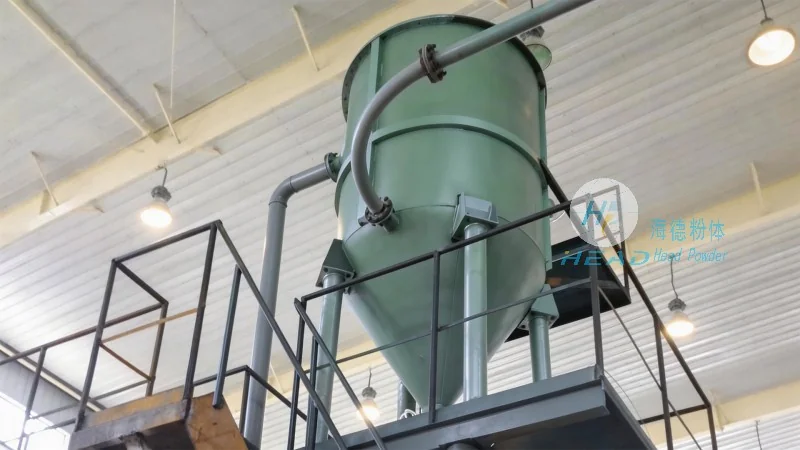
During the conveying process, the system monitors and controls various parameters, including flow rate, pressure, and temperature, to maintain optimal performance. Sensors and control devices are integrated into the system to detect any deviations and adjust the operation accordingly. For example, if the flow rate is too high or too low, the system can automatically adjust the feed rate to maintain a consistent output. This level of automation ensures that the conveying process is both efficient and reliable, minimizing downtime and maximizing productivity.
Working Principle of Zinc Oxide Powder Conveying
The working principle of a zinc oxide powder conveying system is based on the principles of fluidization and pneumatic transport, depending on the specific technology used. In pneumatic conveying systems, the zinc oxide powder is suspended in a stream of air or gas, which is then transported through a pipeline to the destination. The air flow is carefully controlled to maintain the powder in a suspended state, preventing it from settling or clogging the pipeline. This method is particularly effective for handling fine powders like zinc oxide, as it minimizes the risk of material degradation and ensures a clean and efficient transport.

In contrast, mechanical conveying systems, such as screw conveyors or belt conveyors, rely on mechanical force to move the powder. These systems are often used for bulk material handling and are suitable for applications where the powder is less fine or where the distance to be covered is shorter. The mechanical components, including screws, belts, or rollers, are designed to handle the specific characteristics of zinc oxide powder, such as its density and flowability. By applying consistent mechanical force, the system ensures that the powder is moved smoothly and without damage, maintaining its quality throughout the conveying process.