

Operation Process and Working Principle of Plastic Pneumatic Conveying Systems
Plastic pneumatic conveying systems are essential in modern material handling, offering efficient and flexible solutions for transporting plastic powders and granules. These systems utilize air as the primary medium to move materials through a pipeline network, eliminating the need for mechanical components like belts or screws in many cases. The operation process and working principle of such systems involve several key stages, from material intake to discharge, ensuring reliable and consistent performance.

Understanding the Core Components and Functionality
At the heart of a plastic pneumatic conveying system are several critical components that work in tandem to achieve material transport. The system typically includes a hopper or feeder for material storage, a blower or compressor to generate the air flow, a pipeline network to guide the material, and a receiver or discharge hopper to collect the transported material. The feeder ensures a consistent flow of plastic material into the system, while the blower provides the necessary air pressure and volume to move the material through the pipeline. The pipeline itself is designed with appropriate diameter and length to accommodate the material characteristics and the desired conveying rate. The receiver is equipped with a filter or separator to remove any air from the material stream before it is discharged.
The Working Principle: How Pneumatic Conveying Transports Plastic Materials
The working principle of a plastic pneumatic conveying system is based on the principle of fluidization and drag. In the case of a suction system, the blower creates a negative pressure inside the pipeline, which draws the plastic material from the hopper into the air stream. The material is then carried through the pipeline by the air flow, with the air velocity being sufficient to overcome the gravitational and frictional forces acting on the particles. In a pressure system, the blower pushes air into the pipeline, creating a positive pressure that forces the material from the hopper into the air stream. The material is then propelled through the pipeline by the air pressure. The choice between suction and pressure systems depends on factors such as the distance to be covered, the material's properties, and the required conveying rate.

Key Operational Stages in the Conveying Process
The operation of a plastic pneumatic conveying system involves several distinct stages, each crucial for the system's efficiency and reliability. The first stage is material intake, where the hopper or feeder supplies the plastic material to the system. The material is then drawn or pushed into the air stream by the blower. The second stage is the transport stage, where the material travels through the pipeline under the influence of the air flow. The third stage is the separation stage, where the material is separated from the air stream and collected in the receiver. The fourth stage is the discharge stage, where the material is removed from the receiver and transferred to the next process or storage location. Each stage must be carefully designed and controlled to ensure that the material is conveyed without degradation, clogging, or loss.
Factors Influencing System Performance and Efficiency
Several factors influence the performance and efficiency of a plastic pneumatic conveying system. The material's properties, such as particle size, density, and moisture content, play a significant role in determining the appropriate system design and operating parameters. The system's design, including the pipeline diameter, length, and layout, must be optimized to match the material's characteristics and the conveying requirements. The blower's capacity and pressure must be sufficient to overcome the system's resistance and ensure the material is conveyed at the desired rate. The feeder's design must provide a consistent flow of material to prevent clogging or uneven material distribution. Additionally, the system's maintenance and operational procedures are critical to ensuring long-term performance and minimizing downtime.
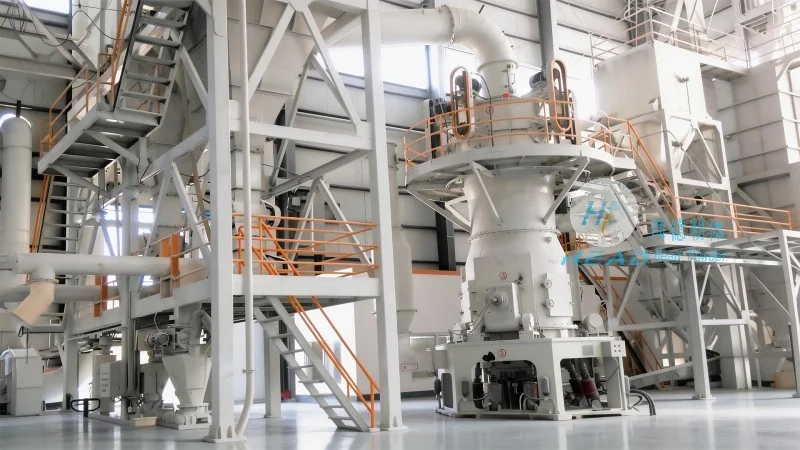
Applications and Benefits of Plastic Pneumatic Conveying Systems
Plastic pneumatic conveying systems are widely used in various industries, including plastics manufacturing, food processing, pharmaceuticals, and chemical processing. These systems offer several benefits over traditional mechanical conveying methods, such as reduced equipment wear and maintenance, improved material cleanliness, and the ability to handle a wide range of plastic materials. The systems are also flexible and can be easily integrated into existing production lines, allowing for seamless material transfer between processes. The use of pneumatic conveying also reduces the risk of material contamination and improves safety in the workplace by eliminating the need for manual handling of powders and granules.
HeadPowder: Expert Provider of Plastic Pneumatic Conveying Solutions
Shandong HeadPowder Engineering Co., Ltd., commonly known as HeadPowder, is a leading provider of plastic pneumatic conveying systems and related engineering solutions. With a focus on innovation and customer satisfaction, HeadPowder offers a range of high-quality systems designed to meet the specific needs of its clients. The company's expertise lies in the design, manufacturing, and installation of custom pneumatic conveying systems tailored to the unique requirements of each project. HeadPowder's systems are built with durable materials and advanced technology to ensure reliable and efficient operation, even under demanding conditions. The company also provides comprehensive support services, including maintenance, repair, and technical assistance, to ensure that its clients' systems operate at peak performance. HeadPowder's commitment to quality and customer service has made it a trusted partner for businesses seeking reliable plastic material handling solutions.