

Principle and Working Scene Characteristics of Clinker Material Pneumatic Conveying Equipment
HeadPowder, a leading manufacturer based in Shandong, China, specializes in the design and production of advanced pneumatic conveying equipment tailored for clinker materials. This article explores the fundamental principles behind such systems and highlights the typical working scenarios where they are most effectively applied.

Principle of Pneumatic Conveying for Clinker Materials
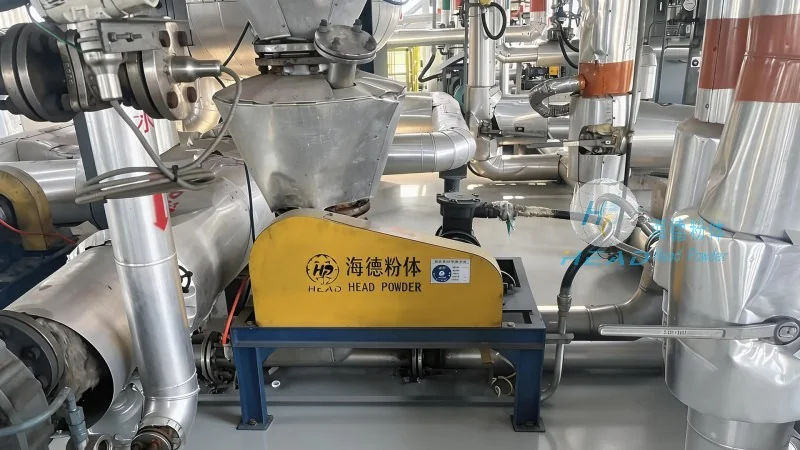
Pneumatic conveying systems operate by transporting bulk materials, such as clinker, through a pipeline using a pressurized or vacuum air stream. The core mechanism involves creating a flow of air that lifts and moves the solid particles. In a typical setup, a blower or compressor generates the necessary air pressure, which is then introduced into the conveying line. The clinker particles are fed into the system, often via a hopper or feeder, and are entrained by the moving air. This process allows for efficient and continuous material transport without the need for mechanical components like belts or buckets, which can be prone to wear and maintenance issues.
The choice between positive pressure and negative pressure systems depends on the specific application. Positive pressure systems use a blower to push air and material through the pipeline, while negative pressure systems employ a vacuum to draw material into the line. For clinker, which is often heavy and abrasive, positive pressure systems are commonly preferred due to their ability to handle higher material loads and maintain consistent flow rates. The system's design, including the size of the pipeline, the type of air valve, and the placement of inlets and outlets, is critical to ensuring optimal performance and minimizing pressure drop.

Working Scene Characteristics of Pneumatic Conveying Equipment
The effectiveness of pneumatic conveying equipment for clinker materials is heavily influenced by the operational environment and the specific requirements of the application. Several key characteristics define the working scenes where these systems excel:
Firstly, the system is ideal for applications requiring long-distance transport, often over several hundred meters. The ability to maintain a consistent flow rate over extended distances makes it suitable for connecting different parts of a cement plant or for transporting clinker from a storage silo to a processing facility. Secondly, the equipment is well-suited for handling abrasive and heavy clinker particles, which can cause significant wear on traditional conveyor systems. The enclosed pipeline design protects both the material and the equipment from damage, ensuring longer service life and lower maintenance costs.
Thirdly, the system offers flexibility in terms of layout and integration. Pneumatic conveying lines can be easily routed around obstacles, such as buildings or other machinery, making it adaptable to existing plant layouts. This flexibility is particularly valuable in retrofitting older facilities or in new construction projects where space constraints are a concern. Additionally, the system can be integrated with other process equipment, such as crushers or classifiers, to form a complete material handling system that enhances overall plant efficiency.
Key Features and Advantages for Clinker Handling
When selecting pneumatic conveying equipment for clinker materials, several key features and advantages should be considered. These include high material transport capacity, which allows for the efficient movement of large volumes of clinker. The system's ability to maintain a consistent flow rate under varying load conditions ensures reliable operation, even during peak production periods. Another significant advantage is the reduced need for manual handling, which improves workplace safety and reduces labor costs. The enclosed design also minimizes dust emissions, contributing to a cleaner and more environmentally friendly operation.
Furthermore, the system's low maintenance requirements and long service life make it a cost-effective solution for long-term use. The absence of moving parts in the conveying line, aside from the air valves and feeders, reduces the risk of mechanical failure and simplifies maintenance procedures. This is particularly important for clinker, which can be abrasive and cause rapid wear on traditional components. The use of high-quality materials, such as stainless steel or special alloys, further enhances the durability of the equipment.
Application Examples in Cement Industry
HeadPowder's pneumatic conveying equipment has been successfully implemented in various working scenes within the cement industry. For instance, in a large-scale cement plant, the system is used to transport clinker from the storage silo to the grinding mill, ensuring a continuous supply of raw material for production. Another application involves conveying clinker from the kiln to the clinker cooler, where it is cooled before further processing. The system's ability to handle high temperatures and abrasive materials makes it suitable for these critical stages of cement production.
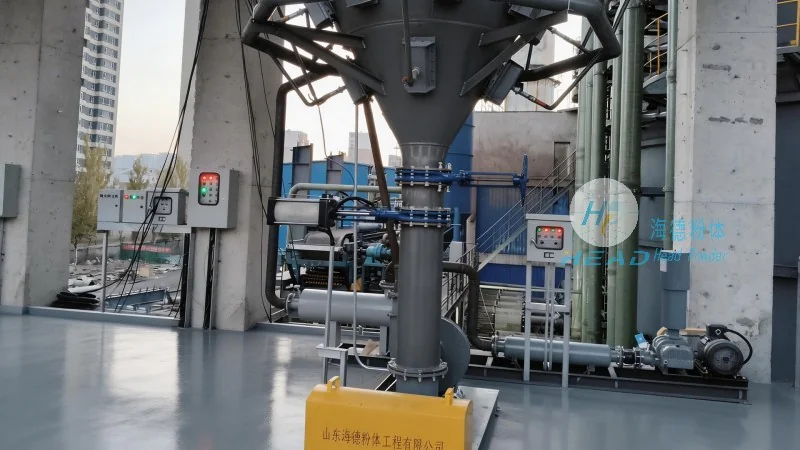
In smaller cement plants or in retrofitting projects, the equipment is used to transport clinker from a local storage facility to the processing plant. The flexibility of the system allows for easy integration into existing infrastructure, minimizing downtime and disruption to operations. The consistent performance of the equipment ensures that production schedules are met, even under varying material conditions.
Conclusion
HeadPowder's pneumatic conveying equipment for clinker materials represents a reliable and efficient solution for material handling in the cement industry. By leveraging the principles of pneumatic transport, the system offers significant advantages over traditional mechanical conveyors, including reduced maintenance, improved safety, and enhanced operational flexibility. With its headquarters in Shandong, China, HeadPowder continues to provide high-quality equipment tailored to the specific needs of its clients, ensuring optimal performance and long-term value in clinker material handling applications.