

Principle and Working Scene Characteristics of Iron Powder Material Handling Equipment
Iron powder material handling systems are critical components in industrial settings where the efficient transport and processing of iron powder are essential. These systems are designed to handle the unique properties of iron powder, such as its fine particle size, potential for static charge accumulation, and susceptibility to caking or agglomeration. The core principle of these systems lies in the integration of specialized equipment that ensures safe, reliable, and efficient material movement from one processing stage to another. This article explores the fundamental principles behind iron powder handling equipment and highlights the key working scene characteristics that define their application in various industrial environments.
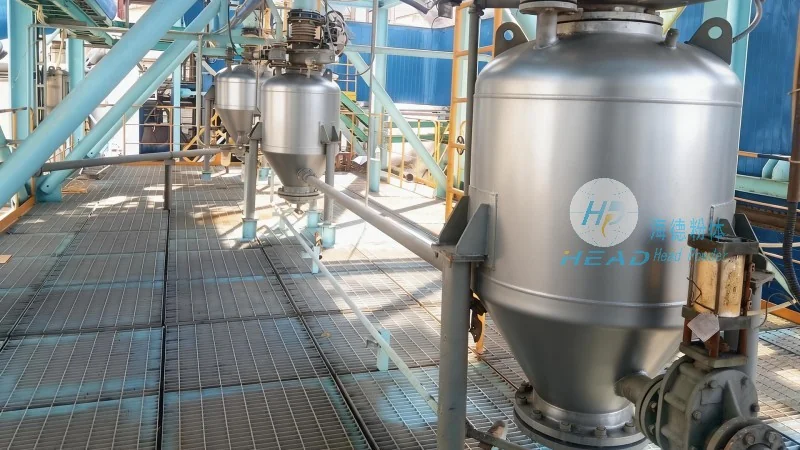
Key Components and Working Principles
The iron powder material handling system typically comprises several interconnected components, each playing a vital role in the overall operation. The primary components include feeders, conveyors, storage silos, and control systems. The working principle revolves around the controlled transfer of iron powder through these components, ensuring minimal loss, contamination, and degradation of the material. For instance, feeders are used to regulate the flow rate of iron powder, preventing overloading or underfeeding that could affect downstream processes. Conveyors, such as belt conveyors or pneumatic conveying systems, then transport the iron powder to storage silos or processing units. The control systems monitor and adjust the flow rates, pressure, and other parameters to maintain optimal operation. This integrated approach ensures that the iron powder is handled with precision, meeting the stringent requirements of industrial applications.

Working Scene Characteristics and Application Environments
The working scene characteristics of iron powder material handling systems are tailored to the specific demands of different industrial applications. In manufacturing facilities, these systems are commonly used in the production of magnetic materials, pigments, and other iron-based products. The key characteristics include high throughput capacity, low maintenance requirements, and the ability to handle varying particle sizes and moisture content. For example, in the production of magnetic cores for electrical equipment, the system must ensure consistent particle size distribution and minimal contamination to meet quality standards. In pigment manufacturing, the system needs to maintain a uniform color and prevent agglomeration, which could affect the final product's appearance and performance. Additionally, the systems are designed to operate in environments where dust control is crucial, as iron powder can create hazardous dust conditions if not properly managed. The working scene characteristics also include adaptability to different production scales, from small-scale laboratory applications to large-scale industrial production lines, making them versatile for various industrial needs.

Advantages and Practical Considerations
Iron powder material handling systems offer several advantages that make them indispensable in industrial operations. One of the primary advantages is their ability to handle fine powders efficiently, reducing material loss and improving process efficiency. The systems are also designed for durability and reliability, with components that can withstand the abrasive nature of iron powder and the harsh conditions of industrial environments. Another key advantage is the integration of safety features, such as dust suppression systems and static control measures, which minimize the risk of fire or explosion in dusty environments. Practical considerations include the need for regular maintenance to ensure optimal performance, proper training for operators to handle the equipment safely, and adherence to safety regulations to prevent accidents. The systems are also designed to be energy-efficient, reducing operational costs while maintaining high performance levels. Overall, the advantages of iron powder material handling systems make them a critical investment for industries relying on iron powder in their production processes.

Conclusion
In conclusion, iron powder material handling systems are sophisticated equipment designed to address the unique challenges of handling iron powder in industrial settings. The working principles and scene characteristics of these systems are tailored to ensure efficient, safe, and reliable material transport. By integrating specialized components and control systems, these systems meet the demanding requirements of various industrial applications, from manufacturing to processing. The advantages of high throughput, durability, and safety features make them essential for industries that rely on iron powder in their production processes. As industrial demands continue to evolve, the development of advanced iron powder material handling systems will remain crucial in maintaining operational efficiency and product quality. The systems provided by Shandong HeadPowder Engineering Co., Ltd. exemplify the industry's commitment to innovation and reliability in material handling solutions.