

Principle and Working Scene Characteristics of Polypropylene Granule Material Conveying Systems
Shandong HeadPowder Engineering Co., Ltd., commonly known as headpowder, is a professional manufacturer specializing in the design and production of polypropylene granule material conveying systems. The company is headquartered in Shandong, China, and has established itself as a key supplier in the industrial material handling sector, particularly for polypropylene processing facilities.

Overview of Polypropylene Granule Material Conveying Systems
Polypropylene granule material conveying systems are essential equipment used in industries that process polypropylene, a widely used thermoplastic polymer. These systems are engineered to efficiently transport polypropylene granules from storage areas to processing units, such as extruders, mixers, or reactors. The design of these systems is tailored to handle the unique properties of polypropylene granules, including their size, density, and flow characteristics.

Working Principle of the Conveying System
The working principle of a polypropylene granule material conveying system typically involves a combination of mechanical and sometimes pneumatic components. The system may utilize screw conveyors, bucket elevators, or air slide conveyors, depending on the specific application. In a screw conveyor system, for example, a rotating screw (auger) pushes the granules forward through a tube or trough. The rotation of the screw creates a positive pressure that moves the material, ensuring consistent and controlled flow. For systems that incorporate pneumatic technology, compressed air is used to create a flow of air and granules, allowing for long-distance or vertical transport. The control mechanisms, such as variable speed drives and flow sensors, enable precise regulation of the conveying rate, preventing overloading or blockages.

Characteristics of Working Scenes
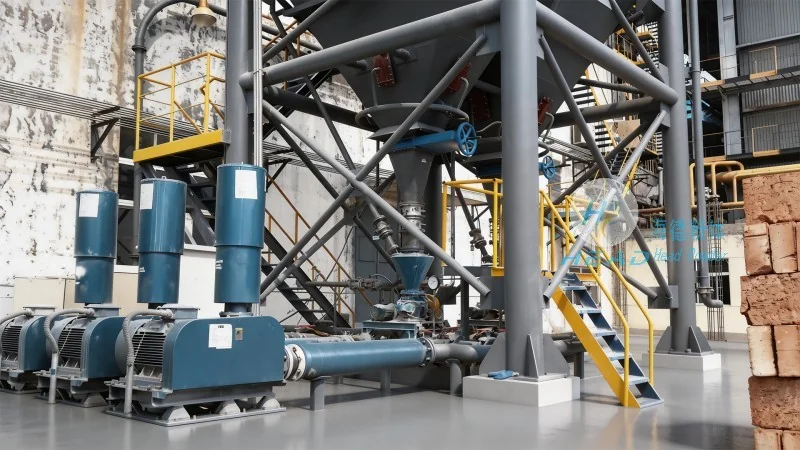
The working scene characteristics of polypropylene granule material conveying systems vary based on the industrial environment in which they are deployed. In manufacturing plants, these systems are often integrated into production lines, where they connect raw material storage to processing equipment. The systems are designed to operate in environments with varying temperatures and humidity levels, ensuring reliable performance. In warehouse settings, the conveyors may be used to move polypropylene granules from bulk storage silos to packaging or shipping areas. The adaptability of these systems allows them to handle different batch sizes and production rates, making them suitable for both small-scale and large-scale operations. Additionally, the systems are built with durability in mind, as they are exposed to the abrasive nature of polypropylene granules and the demanding conditions of industrial workspaces.
Application Advantages
The application advantages of polypropylene granule material conveying systems are significant for industrial efficiency and cost-effectiveness. By automating the material transport process, these systems reduce the need for manual handling, minimizing labor costs and the risk of human error. The consistent flow of granules ensures that processing equipment operates at optimal efficiency, reducing downtime and increasing overall productivity. The energy-efficient design of many modern conveying systems helps lower operational costs, while the robust construction ensures long-term reliability. Furthermore, the systems can be customized to meet specific production requirements, such as varying conveyor lengths, capacity adjustments, or integration with other automation equipment. This flexibility makes them a valuable asset for companies in the polypropylene industry, enabling them to maintain competitive advantages in their market.