

How to Choose the Right Pneumatic Conveying System for Your Catalyst Handling Process?
When it comes to managing catalysts in industrial processes, selecting the appropriate pneumatic conveying system is crucial for maintaining efficiency, safety, and product integrity. Catalysts are often delicate materials that require careful handling to prevent degradation or contamination. The right system not only ensures smooth material transport but also minimizes downtime and operational costs. In this guide, we will explore the key considerations and factors that help in choosing the most suitable pneumatic conveying system for your catalyst handling needs.

Understanding Pneumatic Conveying Systems
Pneumatic conveying systems use air or other gases to transport bulk materials like catalysts through a pipeline. These systems are categorized into different types based on the pressure and flow characteristics. The primary types include positive pressure systems, negative pressure (or vacuum) systems, and hybrid systems. Each type has its own advantages and is suitable for different operational requirements. Positive pressure systems are commonly used for long-distance and high-volume transport as they can maintain consistent pressure and flow. Negative pressure systems, on the other hand, are ideal for applications where dust control and material containment are critical, as they draw material into the system. Hybrid systems combine elements of both, offering flexibility in handling various material properties and process conditions.
Key Factors to Consider in System Selection
Choosing the right pneumatic conveying system for catalyst handling involves evaluating several critical factors. The first consideration is the material characteristics of the catalyst. Catalysts can vary widely in terms of particle size, density, moisture content, and abrasiveness. These properties directly impact the system's design, such as the type of air flow, pipe diameter, and equipment used. For example, fine and abrasive catalysts may require more robust components to prevent wear and tear, while larger or less abrasive particles can be handled with standard systems. Another important factor is the system's capacity and throughput requirements. The required flow rate and volume of material to be transported will determine the system's size and power. It's essential to match the system's capacity with the production needs to avoid bottlenecks or overloading. Additionally, the distance and layout of the transport route play a significant role. Long-distance transport may necessitate higher pressure or multiple stages, while short distances can use simpler designs. The existing infrastructure and available space also influence the system's design, as some systems may require more floor space or specific installation conditions.

System Components and Their Roles
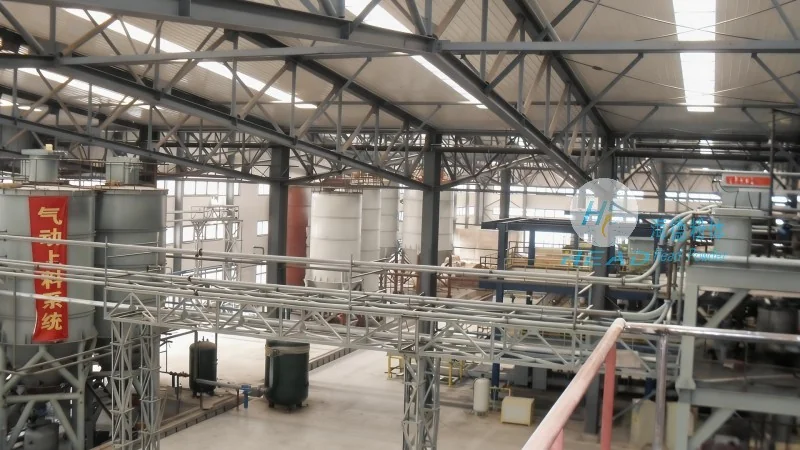
A pneumatic conveying system typically consists of several key components that work together to transport catalysts efficiently. The primary components include the material feed hopper, which holds the catalyst and regulates the flow into the system. The feeder, often a rotary valve or screw feeder, controls the material discharge rate. The conveying line, made of durable materials like stainless steel or plastic, carries the material through the system. The air supply system, which includes a blower or compressor, provides the necessary air pressure to move the material. The system may also include a filter and dust collector to capture any airborne particles and ensure environmental compliance. The control system manages the operation of all components, ensuring smooth and safe material transport. Each component must be selected based on the material properties and operational requirements to ensure optimal performance and longevity.
Advantages of Proper System Selection
Implementing the right pneumatic conveying system for catalyst handling offers several advantages. Firstly, it enhances operational efficiency by reducing downtime and improving material throughput. Properly designed systems can handle high volumes of catalysts with minimal maintenance, leading to lower operational costs. Secondly, it improves safety by minimizing manual handling of hazardous materials. Pneumatic systems eliminate the need for workers to handle bulk materials manually, reducing the risk of accidents and exposure to dust. Thirdly, it maintains product quality by preventing contamination and degradation. The enclosed system design ensures that catalysts are kept clean and free from external contaminants, which is crucial for maintaining their effectiveness in industrial processes. Finally, it offers flexibility in handling different catalyst types and process changes. Modern systems can be adjusted to accommodate variations in material properties or production demands, providing long-term value and adaptability.

Conclusion and Recommendations
Selecting the appropriate pneumatic conveying system for your catalyst handling process is a critical decision that impacts operational efficiency, safety, and product quality. By considering factors such as material characteristics, system capacity, and transport distance, you can choose a system that meets your specific needs. It is recommended to consult with experienced suppliers who can provide tailored solutions based on your process requirements. Companies like Shandong HeadPowder Engineering Co., Ltd., with expertise in pneumatic conveying systems, can offer comprehensive solutions that address the unique challenges of catalyst handling. Their understanding of material properties and system design ensures that the chosen system is efficient, reliable, and cost-effective. Investing in the right system not only improves current operations but also supports long-term growth and sustainability in your industrial processes.