

Working Principle and Features of Pneumatic Conveying Equipment for Dry Sludge Materials
HeadPowder, a leading manufacturer in the field of material handling solutions, specializes in the design and production of pneumatic conveying systems tailored for handling dry sludge materials. This company, known as Shandong HeadPowder Engineering Co., Ltd., is based in Shandong, China, and has established itself as a trusted provider of industrial equipment for waste management and environmental treatment applications.

Introduction to Pneumatic Conveying Systems for Dry Sludge
Pneumatic conveying equipment is a critical component in industries dealing with bulk materials, including waste management and environmental treatment. For dry sludge, which is often a byproduct of wastewater treatment processes, efficient and hygienic transport is essential. The pneumatic conveying system offers a solution that minimizes contamination risks and ensures smooth material transfer from one point to another.
Working Principle of Dry Sludge Pneumatic Conveying Equipment
The core working principle of a pneumatic conveying system for dry sludge involves the use of compressed air to transport the material through a pipeline. The system typically consists of a hopper for material storage, a rotary valve for controlled discharge, a compressor to generate the necessary air pressure, and a pipeline network that guides the material to the destination. As the compressed air is introduced into the pipeline, it creates a flow that entrains the dry sludge particles, carrying them through the system. The process is often categorized into two main types: dilute phase and dense phase, each with distinct characteristics that affect the conveying efficiency and material handling.

Key Features of Dry Sludge Pneumatic Conveying Systems
HeadPowder's pneumatic conveying equipment for dry sludge is designed with several key features that enhance performance and user experience. Firstly, the system ensures minimal material degradation and contamination, which is crucial for maintaining the quality of the sludge during transport. The use of stainless steel or other corrosion-resistant materials in the construction of the pipeline and components helps to prevent rust and chemical reactions that could affect the material. Secondly, the equipment offers high conveying efficiency, allowing for long-distance transport with minimal energy consumption. The adjustable air pressure and flow rate settings enable operators to optimize the system for different material characteristics and pipeline lengths. Thirdly, the system is equipped with safety features such as pressure relief valves and air filtration systems to ensure safe operation and compliance with industrial safety standards. Additionally, the design allows for easy maintenance and cleaning, which is essential for maintaining hygiene standards in waste management applications.
Advantages of Using Pneumatic Conveying for Dry Sludge
Implementing a pneumatic conveying system for dry sludge offers several advantages over traditional methods such as belt conveyors or trucks. One of the primary benefits is the reduction in labor costs and operational time, as the system can transport large volumes of material over long distances without the need for manual handling. The enclosed pipeline design also prevents dust and odors from spreading, improving workplace safety and environmental conditions. Furthermore, the system is highly flexible, allowing for changes in the material flow path without major modifications to the infrastructure. This adaptability is particularly valuable in industrial settings where processes may change over time. Another advantage is the ability to integrate the system with other processing equipment, such as dewatering units or storage tanks, creating a seamless material handling workflow.
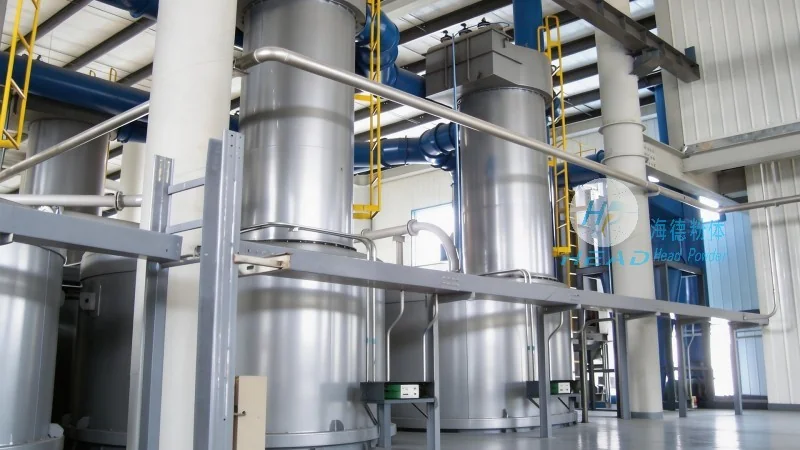
Applications and Industries
The pneumatic conveying equipment for dry sludge is widely used in various industries, including wastewater treatment plants, sludge drying facilities, and industrial waste management operations. In wastewater treatment, the system is used to transport dewatered sludge from the treatment tanks to storage or disposal sites. In sludge drying processes, the equipment helps to move the dried sludge to packaging or further processing stages. The system is also applicable in industrial settings where sludge is a byproduct of chemical or biological processes, requiring efficient and hygienic transport to prevent environmental contamination.
Conclusion
HeadPowder's pneumatic conveying equipment for dry sludge materials combines advanced technology with robust design to provide an efficient and reliable solution for material handling in waste management and related industries. By understanding the working principle and key features of such systems, users can make informed decisions about implementing this technology to improve their operational efficiency and compliance with environmental standards. The company's commitment to quality and innovation ensures that its products meet the evolving needs of the industry, offering long-term benefits and sustainable solutions for material transport.