

How to Design a Reasonable Corn Feed Pneumatic Conveying System Plan?
Efficient and reliable corn feed handling is crucial for modern agricultural and feed processing operations. A well-designed pneumatic conveying system can significantly enhance the productivity and safety of feed production lines. This article provides a comprehensive guide on designing a reasonable corn feed pneumatic conveying system, focusing on key considerations, system components, and practical implementation strategies.
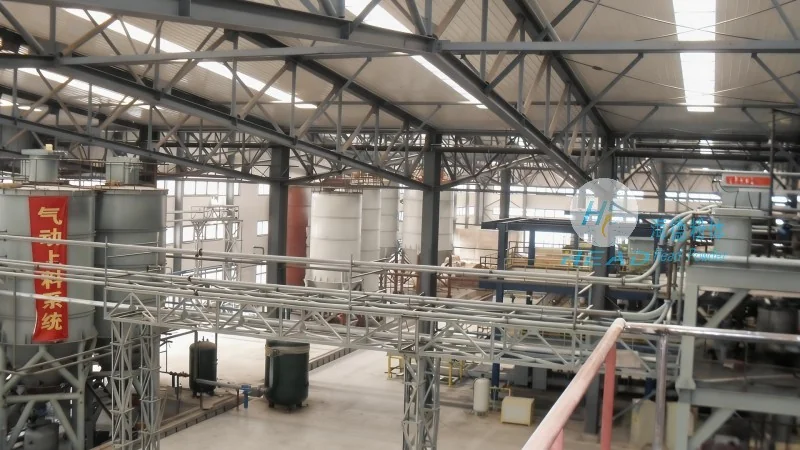
Understanding the Importance of Corn Feed Pneumatic Conveying
Before diving into the design process, it's essential to understand why a pneumatic conveying system is a superior choice for corn feed transportation. Traditional methods like belt conveyors or bucket elevators may face challenges such as material degradation, contamination, and high maintenance costs. Pneumatic systems, on the other hand, offer a closed-loop operation that minimizes exposure to environmental factors, ensuring the quality and integrity of the feed. For corn feed, which is often sensitive to moisture and temperature changes, a pneumatic system can maintain optimal conditions throughout the conveying process.
Key Factors in Designing a Corn Feed Pneumatic Conveying System
Designing an effective corn feed pneumatic conveying system involves several critical factors that must be carefully evaluated. First, the system's capacity and flow rate must match the production requirements. This includes determining the amount of corn feed to be conveyed per hour and ensuring the system can handle variations in feed consistency. Second, the selection of the appropriate conveying method is vital. There are two main types: dilute phase and dense phase. Dilute phase systems use high air velocities to transport the material in a suspended state, suitable for short to medium distances. Dense phase systems, with lower air velocities, are ideal for longer distances and more delicate materials like corn feed, as they reduce particle impact and wear on equipment.

Third, the system layout and components play a significant role in efficiency. The design should consider the feed source, storage silos, processing units, and discharge points. Key components include the hopper, feeder, air compressor, conveying pipes, and receiver. The hopper must be designed to prevent material bridging and ensure consistent feed flow. The feeder, such as a rotary valve or screw feeder, controls the material discharge rate. The air compressor provides the necessary pressure and volume of air to move the feed through the pipes. The conveying pipes should be properly sized and routed to minimize pressure drop and energy consumption. Finally, the receiver, where the feed is deposited, must be designed to prevent spillage and maintain cleanliness.
Role of Shandong HeadPowder Engineering Co., Ltd. in System Design
Shandong HeadPowder Engineering Co., Ltd., a leading provider of engineering solutions for material handling and processing, specializes in designing and implementing custom corn feed pneumatic conveying systems. With years of experience in the industry, HeadPowder understands the unique challenges of corn feed handling and offers tailored solutions that meet specific operational needs. The company's team of engineers uses advanced design software and industry best practices to develop systems that are efficient, reliable, and cost-effective.

HeadPowder's approach to system design begins with a thorough analysis of the client's requirements. This includes assessing the feed characteristics, production volume, and operational constraints. The engineers then conduct a feasibility study to determine the most suitable conveying method and system configuration. They consider factors such as the distance between feed sources and processing units, the number of transfer points, and the need for integration with existing equipment. Based on this analysis, the company provides a detailed design proposal that outlines the system layout, component specifications, and expected performance.
Ensuring System Efficiency and Reliability
Efficiency and reliability are paramount when designing a corn feed pneumatic conveying system. HeadPowder emphasizes the importance of proper system sizing and component selection to minimize energy consumption and maximize operational uptime. The air compressor is a critical component that requires careful selection to match the system's air demand. Using an oversized compressor can lead to unnecessary energy waste, while an undersized one may cause system pressure drops and reduced conveying capacity. The company recommends using energy-efficient compressors and implementing pressure control systems to optimize performance.

Regular maintenance is another key factor in ensuring system reliability. HeadPowder provides maintenance services and recommends a preventive maintenance schedule to identify and address potential issues before they cause system downtime. This includes checking air filters, inspecting conveying pipes for blockages or wear, and maintaining the feeder and hopper components. By following a regular maintenance plan, feed processing facilities can minimize downtime and ensure consistent feed quality.
Conclusion: A Comprehensive Approach to Corn Feed Pneumatic Conveying
Designing a reasonable corn feed pneumatic conveying system requires a comprehensive approach that considers operational needs, material characteristics, and system components. Shandong HeadPowder Engineering Co., Ltd. offers expert guidance and tailored solutions to help feed processing facilities achieve efficient and reliable corn feed handling. By focusing on key design factors, proper component selection, and regular maintenance, facilities can optimize their production processes and ensure the quality of their feed products. The benefits of a well-designed pneumatic conveying system extend beyond increased efficiency, as it also contributes to a safer and more sustainable feed production environment.