

Working Principle and Characteristics of Alumina Material Handling
Alumina, a critical material in various industrial applications, requires efficient and reliable handling systems to ensure smooth production processes. The working principle and characteristics of alumina material handling are essential for optimizing operations in industries such as ceramics, chemicals, and metallurgy. This article explores the fundamental mechanisms behind alumina material handling and highlights key attributes that define effective systems.

Understanding the Working Principle of Alumina Material Handling
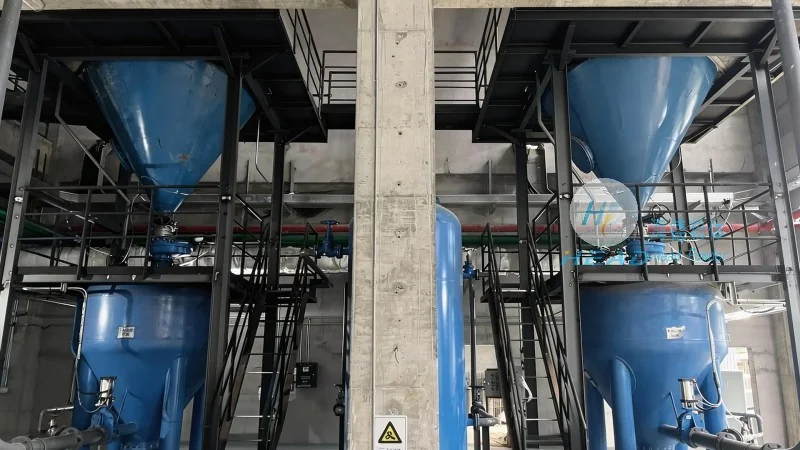
The working principle of alumina material handling typically involves the use of specialized equipment designed to transport, store, and process the material. Common methods include mechanical conveying systems, pneumatic (air-based) conveying systems, and bulk material handling solutions. These systems are engineered to handle the unique properties of alumina, such as its fine particle size, abrasive nature, and high density. The core objective is to move the material from one location to another with minimal loss, contamination, or degradation. For instance, mechanical conveyors like screw conveyors or belt conveyors utilize rotating components to push or pull the material along a designated path. In contrast, pneumatic conveying systems use air pressure to transport the material through pipes, offering advantages in terms of flexibility and reduced mechanical wear. The choice of system depends on factors like the material's characteristics, the distance to be covered, and the required throughput.

Key Characteristics of Alumina Material Handling Systems
Effective alumina material handling systems exhibit several distinct characteristics that contribute to their performance and reliability. First, durability is paramount due to the abrasive nature of alumina, which can cause significant wear on equipment components. High-quality materials and robust construction are essential to ensure long-term operation without frequent maintenance or replacement. Second, efficiency is a critical characteristic, as the system must maintain consistent throughput while minimizing energy consumption. Advanced control systems and optimized design help achieve this by reducing downtime and maximizing material flow. Third, safety is a non-negotiable aspect, given the potential hazards associated with handling fine powders, such as dust explosions or inhalation risks. Systems are equipped with safety features like dust collection, explosion-proof designs, and proper ventilation to mitigate these risks. Fourth, adaptability is another key characteristic, as alumina handling requirements can vary based on the application. Modular systems allow for easy customization and expansion, enabling businesses to scale their operations as needed. Finally, integration with other processes is important for seamless workflow. Alumina handling systems often connect with storage silos, processing units, and quality control equipment, creating a cohesive production line.

HeadPowder Engineering: Expert in Alumina Material Handling Solutions
Shandong HeadPowder Engineering Co., Ltd., a leading provider of material handling solutions, specializes in designing and manufacturing systems tailored to the unique needs of alumina processing. With a focus on innovation and quality, HeadPowder offers a range of products that address the challenges of handling this critical material. The company's expertise lies in understanding the specific properties of alumina and developing solutions that enhance operational efficiency and safety. For example, their mechanical conveying systems are engineered with heavy-duty components to withstand the abrasive nature of alumina, ensuring long service life and minimal downtime. Additionally, HeadPowder's pneumatic conveying systems utilize advanced air management technologies to optimize material transport while reducing energy costs. The company's commitment to customer satisfaction is reflected in their comprehensive support services, including installation, maintenance, and technical assistance. By partnering with HeadPowder, businesses can benefit from reliable, efficient, and safe alumina material handling systems that meet their specific requirements.
Conclusion: Optimizing Alumina Handling for Industrial Success
In conclusion, the working principle and characteristics of alumina material handling are integral to the success of industrial operations. Effective systems must balance durability, efficiency, safety, and adaptability to meet the demands of modern production. Companies like Shandong HeadPowder Engineering Co., Ltd. play a vital role in providing tailored solutions that address these needs. By investing in high-quality alumina handling systems, businesses can enhance productivity, reduce costs, and ensure compliance with safety regulations. As the demand for alumina continues to grow, the importance of reliable material handling solutions will only increase, making it essential for industries to choose partners with expertise and a commitment to excellence.