

What is a Masterbatch Material Pneumatic Conveying System? What are the Design Principles?
For businesses in the plastic manufacturing industry, the efficient and reliable handling of masterbatch materials is a critical aspect of production. A masterbatch material pneumatic conveying system offers a solution to this challenge by utilizing air to transport these materials with precision and control. This article explores the concept of such a system and delves into its fundamental design principles, highlighting how they contribute to optimal material handling in industrial settings.
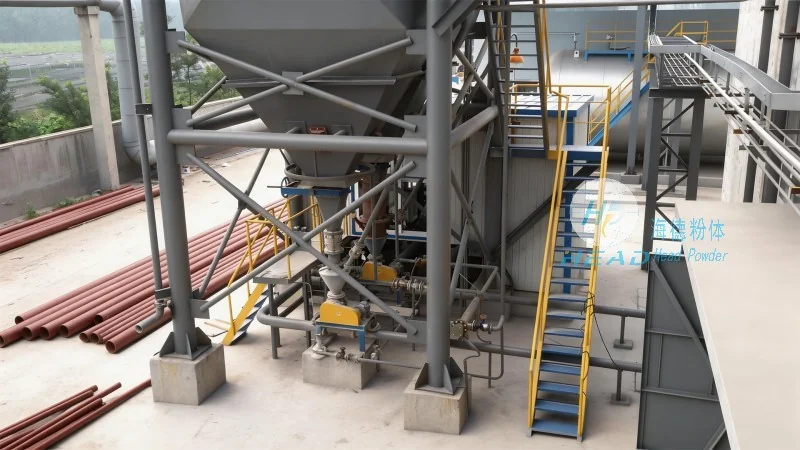
Understanding Masterbatch Material Pneumatic Conveying Systems
A masterbatch material pneumatic conveying system is a specialized piece of equipment designed to transport masterbatch, which are concentrated forms of pigments or additives used to color or modify plastic resins. Unlike traditional mechanical conveying methods, this system uses compressed air to move the material through a pipeline network. The process involves generating a flow of air that carries the masterbatch particles, ensuring they are delivered to the processing equipment without loss or degradation. This method is particularly advantageous for materials that are sensitive to moisture, temperature, or mechanical stress, as it minimizes direct contact with equipment surfaces and reduces the risk of contamination.
The Core Components of a Pneumatic Conveying System
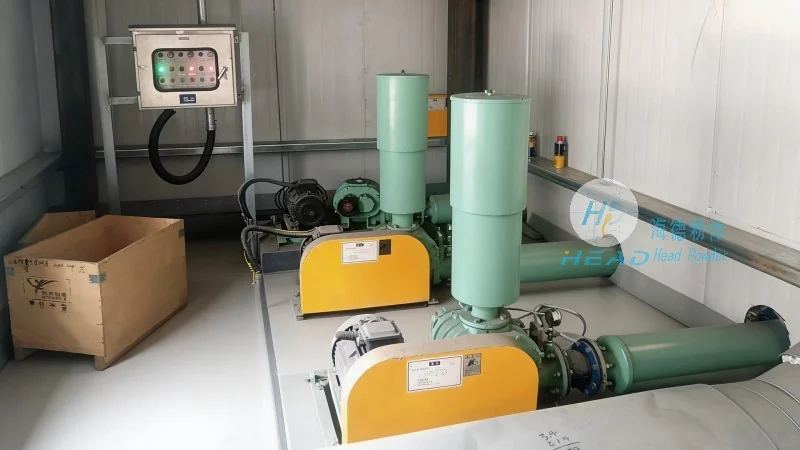
At the heart of a masterbatch material pneumatic conveying system are several key components that work in tandem to ensure smooth operation. These include the air compressor, which generates the necessary pressure to move the material; the hopper or feed bin, where the masterbatch is stored and fed into the system; the conveying line, which consists of pipes and fittings that direct the material flow; and the receiver or discharge unit, where the material is deposited at its destination. Additionally, the system may incorporate components such as filters, cyclones, and pressure regulators to maintain air quality and control system pressure. Each component plays a crucial role in the overall functionality of the system, and their proper integration is essential for achieving efficient material transport.
Design Principles for Optimal Performance
The design principles of a masterbatch material pneumatic conveying system are centered on achieving high efficiency, low maintenance, and consistent material delivery. One of the primary principles is the selection of appropriate air velocity and pressure. The air velocity must be sufficient to overcome the resistance of the material in the pipes and prevent particle settling, while the pressure must be optimized to minimize energy consumption and system wear. Another key principle is the consideration of material characteristics, such as particle size, density, and flowability. These factors influence the choice of conveying method (e.g., dilute phase or dense phase) and the system's configuration. For example, dilute phase systems are suitable for fine, free-flowing particles, while dense phase systems are better for larger or more abrasive particles. The design also takes into account the system's layout and the distance between the feed and discharge points, as these factors impact the required air volume and pressure. Proper sizing of the conveying line diameter and length is critical to avoid excessive pressure drops and ensure stable operation.

Advantages of Masterbatch Material Pneumatic Conveying Systems
Implementing a masterbatch material pneumatic conveying system offers several advantages over traditional mechanical conveying methods. First, it provides a hygienic and clean method of material transport, which is essential for industries where product purity is paramount, such as food and pharmaceuticals. The enclosed system prevents contamination from external sources and reduces the risk of dust exposure for operators. Second, it enhances process control by allowing precise dosing and delivery of masterbatch, which is critical for maintaining consistent product color and quality. The system can be integrated with automation and control systems to adjust flow rates and pressure in real-time, ensuring optimal performance. Third, it reduces labor costs and operational time by automating the material handling process. Unlike manual or mechanical methods, the pneumatic system can operate continuously without the need for frequent maintenance or adjustments. Finally, it offers flexibility in system layout, as the conveying lines can be easily reconfigured to accommodate changes in production requirements or facility expansions.

Applications in Plastic Manufacturing
Masterbatch material pneumatic conveying systems are widely used in various applications within the plastic manufacturing industry. These include the transport of masterbatch for injection molding, extrusion, and blow molding processes. In injection molding, the system ensures that the correct amount of colorant is added to the resin, resulting in uniform product color. In extrusion, the system delivers masterbatch to the extruder at a controlled rate, which is crucial for maintaining the consistency of the final product. In blow molding, the system provides a reliable method of transporting masterbatch to the molding machine, ensuring that the plastic bottles or containers are colored uniformly. The system is also used in the production of masterbatch itself, where it facilitates the mixing and blending of pigments and additives to create concentrated formulations. In all these applications, the system's design principles are tailored to meet the specific requirements of the process, ensuring that the material is handled efficiently and effectively.
Conclusion
In conclusion, a masterbatch material pneumatic conveying system is a sophisticated and efficient solution for transporting masterbatch materials in the plastic manufacturing industry. Its design principles, which focus on air velocity, pressure, material characteristics, and system layout, are critical to achieving optimal performance. The system offers numerous advantages, including improved hygiene, enhanced process control, reduced labor costs, and flexibility in system configuration. As the demand for high-quality plastic products continues to grow, the importance of reliable material handling systems like this will only increase. For businesses seeking to improve their production efficiency and product quality, investing in a well-designed masterbatch material pneumatic conveying system is a strategic decision that can yield significant benefits.