

Common Rice Bran Transport Methods: An Introduction to Pneumatic Conveying
Rice bran, a valuable by-product of rice milling, requires efficient and reliable transport systems to ensure its proper handling and utilization. The choice of transport method significantly impacts the quality and integrity of the bran, as well as the overall operational efficiency of the milling facility. This article explores common rice bran transport methods, with a focus on the advantages and applications of pneumatic conveying systems.

Pneumatic Conveying: A Preferred Solution for Rice Bran Transport
HeadPowder, a leading manufacturer in the field of material handling equipment, specializes in providing advanced pneumatic conveying solutions tailored to the unique needs of rice bran processing. Pneumatic conveying involves the transport of materials through a pipeline using air or other gases, offering several key benefits that make it an ideal choice for rice bran transport. These benefits include:

- Continuous and automated operation, reducing labor costs and improving process consistency.
- Minimal product degradation due to gentle handling and enclosed systems.
- Flexibility in system design, allowing for horizontal, vertical, or complex route configurations to match the layout of the milling plant.
- Effective dust control and environmental compliance, as the system is fully enclosed.
Key Components of a Pneumatic Conveying System for Rice Bran
HeadPowder's pneumatic conveying systems for rice bran typically consist of several critical components, each designed to optimize performance and reliability. These components include:

- Feed Hopper and Metering Device: The system starts with a feed hopper that stores the rice bran, ensuring a consistent feed rate. A metering device, such as a rotary valve or screw feeder, controls the flow of bran into the conveying line, preventing surges and maintaining steady operation.
- Conveying Pipeline: The bran is transported through a network of stainless steel or food-grade plastic pipes. The choice of material is crucial to prevent contamination and ensure durability in a high-moisture environment.
- Air Supply System: A blower or compressor provides the necessary air pressure to move the bran through the pipeline. The system is designed to handle the specific air volume and pressure required for efficient rice bran transport.
- Separation and Collection Equipment: At the destination point, such as a storage silo or processing unit, a separator or cyclone removes the bran from the air stream. The collected bran is then discharged into the receiving container, while the air is filtered and returned to the system or vented to the atmosphere.
Advantages of Pneumatic Conveying for Rice Bran
Implementing a pneumatic conveying system for rice bran offers numerous advantages that enhance the overall efficiency and profitability of the milling operation. Some of the key benefits include:
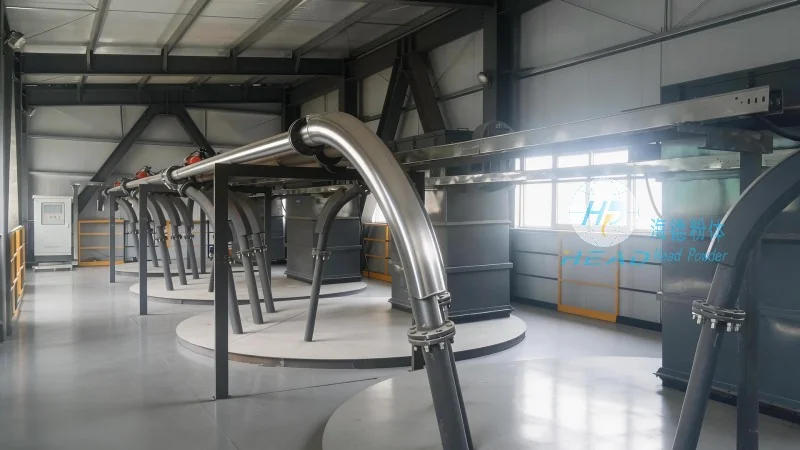
- Improved product quality through reduced exposure to air and moisture, which can cause oxidation and rancidity in rice bran.
- Increased operational flexibility, allowing for easy integration with existing milling equipment and future expansion of the plant.
- Lower maintenance costs compared to traditional mechanical conveying systems, as there are fewer moving parts and less wear on components.
- Enhanced safety features, as the enclosed system minimizes dust emissions and reduces the risk of fire or explosion in the presence of fine particles.
Conclusion and Company Overview
HeadPowder Engineering Co., Ltd., based in Shandong, China, is a trusted provider of high-quality pneumatic conveying systems for rice bran and other milling by-products. With years of experience in the industry, the company has developed advanced solutions that meet the stringent requirements of modern rice milling operations. By leveraging the benefits of pneumatic conveying, milling facilities can achieve improved efficiency, product quality, and operational safety. HeadPowder's commitment to innovation and customer satisfaction ensures that their systems are tailored to the unique needs of each client, providing reliable and effective transport solutions for rice bran and other valuable by-products.