

Conveying Methods for Textile Fibers: An Overview of the Advantages and Features of Pneumatic Conveying
When it comes to the transportation of textile fibers, selecting the right conveying method is crucial for ensuring efficiency, reliability, and minimal damage to the material. Various options exist, each with its own set of characteristics and applications. This article provides an overview of common textile fiber conveying methods, with a particular focus on the advantages and features of pneumatic conveying systems.

Understanding Textile Fiber Conveying Methods
Textile fibers, such as cotton, polyester, and rayon, are often handled in bulk quantities during processing. The choice of conveying method depends on factors like fiber type, moisture content, dust generation, and the distance over which the material needs to be moved. Traditional methods include mechanical conveyors like belt conveyors and screw conveyors, as well as pneumatic systems that use air to transport the material.
Pneumatic Conveying: A Modern Solution for Textile Fiber Transport
Pneumatic conveying, also known as air conveying, is a technology that uses compressed air to move bulk materials through a pipeline. This method is particularly well-suited for textile fibers due to its ability to handle fine powders and prevent contamination. The system typically consists of a blower, a hopper for material storage, and a pipeline network that transports the fibers from one location to another.
Key Advantages of Pneumatic Conveying for Textile Fibers
One of the primary advantages of pneumatic conveying is its gentle handling of delicate fibers. Unlike mechanical systems that can cause abrasion or breakage, pneumatic systems use air to move material, reducing the risk of damage. This is especially important for high-value fibers or those that are sensitive to mechanical stress.
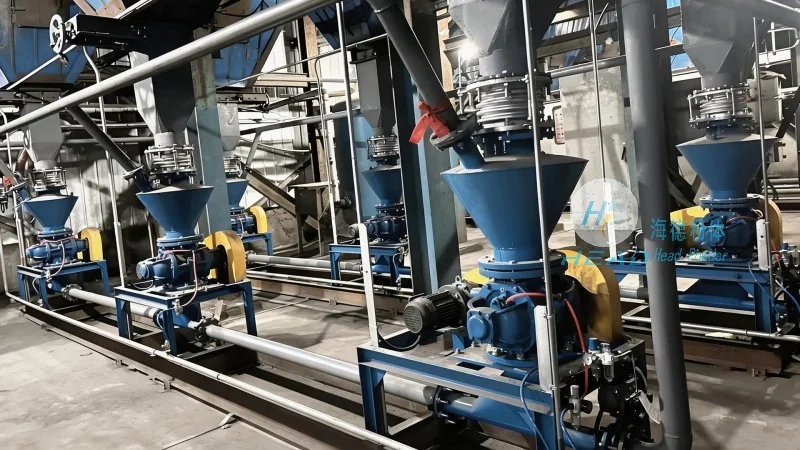
Another significant benefit is the ability to handle a wide range of fiber types and sizes. Pneumatic conveyors can transport fine powders, short fibers, and even longer staple fibers without clogging or requiring frequent maintenance. This versatility makes them suitable for diverse textile production processes, from raw material handling to finished product packaging.
Efficiency and speed are also key advantages. Pneumatic systems can move large volumes of material quickly and continuously, improving overall production throughput. The absence of moving parts in the pipeline (except for the blower) reduces maintenance requirements and downtime, contributing to lower operational costs over time.
Features of Pneumatic Conveying Systems
Modern pneumatic conveying systems for textile fibers are equipped with several features that enhance performance and reliability. These include:

- Positive Pressure Conveying: This method uses compressed air to push the material through the pipeline, ensuring consistent flow and preventing backflow. It is ideal for long-distance transport and applications where material is to be delivered to multiple points.
- Negative Pressure (Vacuum) Conveying: In this approach, a vacuum is created to draw material from a hopper or collection point into the pipeline. It is commonly used for short-distance transport and when the material needs to be collected from various sources.
- Combination Systems: Some systems use both positive and negative pressure to optimize material handling. For example, a positive pressure system can transport material from a central hopper to multiple destinations, while a vacuum system can return excess material or collect it from different locations.
- Material Separation and Cleaning: Advanced pneumatic systems include features to separate different fiber types or remove contaminants. This helps maintain product quality and reduces the need for manual sorting.
Application Examples in Textile Manufacturing
Pneumatic conveying is widely used in various stages of textile manufacturing. For instance, in raw material handling, it can transport bales or loose fibers from storage to processing equipment. During the spinning process, it may be used to move fibers from the carding machine to the spinning frame. In finishing operations, pneumatic systems can transport dyed or treated fibers to drying or packaging areas.
In the context of waste management, pneumatic conveying can also be employed to collect and transport textile waste or off-spec material for recycling or disposal. This not only improves operational efficiency but also supports sustainable practices in the textile industry.

Choosing the Right Pneumatic Conveying System
When selecting a pneumatic conveying system for textile fibers, several factors should be considered. These include the type and quantity of fibers being handled, the distance and layout of the production facility, and the desired level of automation. Consulting with a specialized engineering company, such as Shandong HeadPowder Engineering Co., Ltd., can help ensure the right system is chosen to meet specific operational needs.
Shandong HeadPowder Engineering Co., Ltd., a leading provider of material handling solutions, offers customized pneumatic conveying systems tailored to the unique requirements of textile manufacturers. With years of experience in the industry, the company understands the challenges of handling delicate fibers and provides solutions that enhance productivity while maintaining product integrity.
By leveraging the advantages of pneumatic conveying, textile manufacturers can improve their production processes, reduce costs, and ensure consistent quality in their final products. Whether for raw material transport, in-process handling, or waste management, pneumatic systems offer a reliable and efficient solution for conveying textile fibers.