

What is an Alumina Powder Conveying Machine? And What Are Its Design Principles?
Alumina powder conveying machines are specialized equipment designed to handle and transport fine alumina powders efficiently. These machines are crucial in various industrial applications, particularly in sectors that rely on high-purity alumina materials. The design of such machines is tailored to address the unique challenges associated with handling fine powders, ensuring minimal loss, contamination, and efficient material flow. This article will explore the fundamental aspects of alumina powder conveying machines, focusing on their design principles and operational features.

Understanding the Core Components of an Alumina Powder Conveying Machine
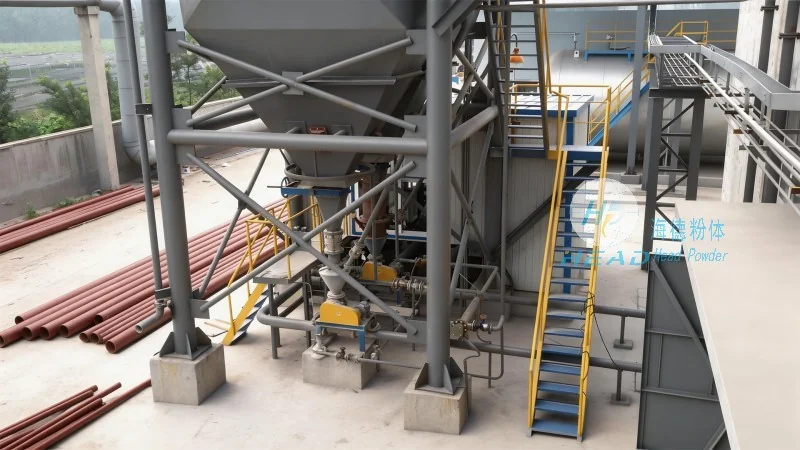
The construction of an alumina powder conveying machine typically involves several key components that work in harmony to achieve optimal performance. The primary components include a hopper for material storage, a feeding mechanism to control the flow of powder, a conveying system (such as a screw or pneumatic conveyor) to transport the material, and a discharge system to release the powder at the desired location. Each component is engineered to handle the specific properties of alumina powder, which is known for its fine particle size and potential for static charge accumulation. The hopper is often designed with a conical or rectangular shape to facilitate uniform material distribution and prevent bridging or caking, which can impede flow. The feeding mechanism, commonly a rotary valve or a star feeder, regulates the amount of powder entering the conveying system, ensuring consistent and controlled material delivery. The conveying system, whether mechanical (e.g., screw conveyor) or pneumatic (e.g., airlock system), is selected based on the required throughput and the characteristics of the alumina powder. For example, pneumatic conveyors are preferred for fine powders due to their ability to handle high volumes with minimal pressure loss, while mechanical conveyors offer advantages in low-moisture environments or where air quality is a concern.
Design Principles for Efficient Alumina Powder Handling
The design principles of an alumina powder conveying machine are centered on ensuring efficient material transport while maintaining the integrity and purity of the powder. Key design considerations include minimizing material degradation, preventing contamination, and optimizing energy consumption. One critical aspect is the prevention of powder segregation, which can occur during handling due to differences in particle size or density. The machine's design incorporates features such as smooth internal surfaces and gentle material flow paths to reduce particle separation. Additionally, the use of anti-static materials and proper grounding in the hopper and conveying components helps mitigate the risk of static charge buildup, which can cause powder sticking and blockages. The discharge system is designed to ensure a clean and controlled release of the powder, often incorporating a rotary valve or a flexible hose to prevent material spillage and maintain a dust-free environment. Another important design principle is the consideration of material compatibility. The components in contact with the alumina powder are typically made from materials such as stainless steel or special alloys that are resistant to corrosion and wear, ensuring long-term durability and maintaining the purity of the powder. The machine's design also takes into account the need for easy maintenance and cleaning, with features like removable parts and access panels that allow for thorough inspection and cleaning to prevent contamination from residual powder.

Operational Features and Performance Metrics
The operational features of an alumina powder conveying machine are designed to enhance performance and reliability. These features include adjustable speed controls for the conveying system, allowing operators to modify the throughput based on production requirements. The machine may also be equipped with sensors and monitoring systems to detect blockages or abnormal flow conditions, triggering alarms or automatic shutdowns to prevent equipment damage or material loss. The control system, often integrated with a programmable logic controller (PLC), enables precise control over the entire conveying process, from material feeding to discharge. This integration ensures consistent performance and reduces the need for manual intervention. Performance metrics such as throughput capacity, pressure drop, and energy consumption are critical in evaluating the efficiency of an alumina powder conveying machine. Throughput capacity refers to the amount of alumina powder that can be conveyed per unit time, typically measured in kilograms per hour or cubic meters per hour. Pressure drop is the reduction in air pressure as the powder is conveyed, which is an indicator of the system's efficiency and the resistance to flow. Energy consumption is another important metric, as it reflects the operational cost of the machine. High-efficiency designs aim to minimize pressure drop and energy use while maximizing throughput, ensuring cost-effective operation for industrial applications.

Applications and Industries Utilizing Alumina Powder Conveying Machines
Alumina powder conveying machines are widely used in various industries that rely on high-purity alumina materials. These industries include the production of ceramics, refractory materials, and abrasive products. In the ceramics industry, alumina powder is used to manufacture high-strength ceramic components, and the conveying machine ensures that the powder is delivered to the mixing and molding processes without contamination or degradation. The refractory industry uses alumina powder to produce heat-resistant materials for furnaces and kilns, where the conveying machine's ability to handle fine powders is essential for maintaining the quality of the final product. The abrasive industry utilizes alumina powder in the production of grinding wheels and other abrasive tools, where consistent powder quality is crucial for the performance of the end product. Additionally, the machine is used in research and development laboratories for handling small quantities of alumina powder in experimental setups. The versatility of the alumina powder conveying machine makes it a valuable asset in these industries, supporting production processes and ensuring the consistent delivery of high-quality materials.