

What is a Wheat Flour Bulk Conveyor? And What Are Its Design Principles?
Welcome to Shandong HeadPowder Engineering Co., Ltd., a leading manufacturer specializing in bulk material handling solutions. In this article, we will explore the world of wheat flour bulk conveyors, focusing on their functionality and the intricate design principles that make them efficient and reliable in industrial applications.

What is a Wheat Flour Bulk Conveyor?
A wheat flour bulk conveyor is a specialized piece of equipment designed to transport wheat flour and other fine powders in bulk quantities. These systems are essential in the food processing and agricultural industries, where the efficient movement of powders is critical for maintaining production efficiency and product quality. Unlike traditional conveyor belts, bulk conveyors are engineered to handle the unique properties of fine powders, such as low bulk density and high dust generation, ensuring safe and effective material transfer.
Key Design Principles of Wheat Flour Bulk Conveyors
The design of a wheat flour bulk conveyor is centered around several key principles that address the challenges of handling fine powders. First, the system must ensure minimal product degradation and contamination. This is achieved through the use of materials that are non-reactive with the flour and designed to prevent cross-contamination. Second, the conveyor must maintain a consistent flow rate to avoid clogging or uneven distribution of the material. This is typically accomplished through the integration of variable speed drives and flow control mechanisms.
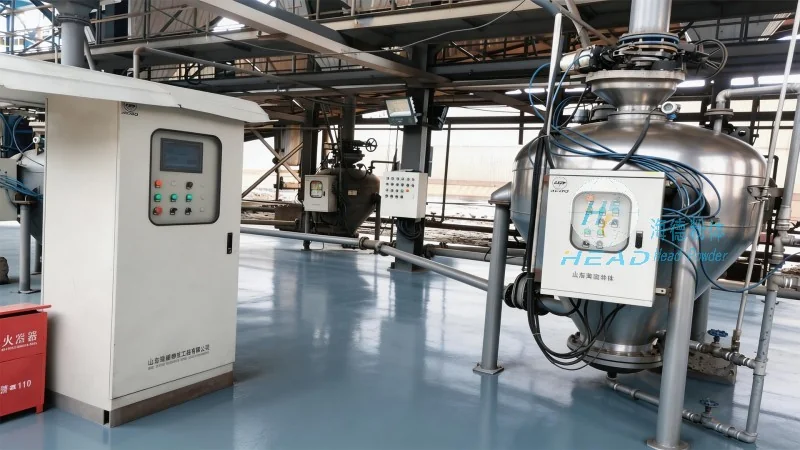
Third, the design prioritizes dust control and environmental safety. Wheat flour is a fine powder that can easily become airborne, posing health and safety risks. Therefore, bulk conveyors are equipped with dust collection systems, sealed enclosures, and proper ventilation to minimize dust emissions. Additionally, the design incorporates features like smooth surfaces and rounded corners to prevent material buildup and reduce the risk of clogs.
Components and Functionalities
Wheat flour bulk conveyors consist of several key components that work together to ensure optimal performance. The primary components include a hopper for material storage, a conveyor system (such as a screw or pneumatic conveyor), and a control panel for operation. The hopper is designed to hold a large volume of flour while maintaining a consistent feed rate. The conveyor system then transports the flour from the hopper to the desired destination, such as a silo, storage tank, or processing unit. The control panel allows operators to adjust the speed and flow rate of the conveyor, ensuring precise material handling.

Applications in the Industry
Wheat flour bulk conveyors are widely used in various industrial settings, particularly in the food and agricultural sectors. In flour mills, these systems are crucial for transporting raw wheat flour from storage to processing equipment, such as mixers or extruders. In bakeries and food production facilities, they help move flour to production lines, ensuring a steady supply of raw material. Additionally, in agricultural processing plants, bulk conveyors are used to transport wheat flour from storage silos to packaging lines, streamlining the production process.

Advantages of Using Wheat Flour Bulk Conveyors
Implementing a wheat flour bulk conveyor offers several advantages for businesses in the food and agricultural industries. Firstly, it significantly improves operational efficiency by automating the material handling process, reducing the need for manual labor and minimizing the risk of human error. Secondly, it enhances product quality by maintaining consistent flow rates and preventing material degradation or contamination. Thirdly, it improves safety by reducing dust exposure and minimizing the risk of clogs or blockages. Finally, it increases productivity by allowing for continuous operation and reducing downtime associated with manual material transfer.
Conclusion
Wheat flour bulk conveyors are essential equipment for any business involved in the handling and processing of fine powders. The design principles and components of these systems are carefully engineered to address the unique challenges of wheat flour, ensuring efficient, safe, and reliable material transfer. At Shandong HeadPowder Engineering Co., Ltd., we specialize in providing high-quality bulk conveyor solutions tailored to the specific needs of our clients. Our expertise in material handling technology ensures that our products meet the highest standards of performance and durability, helping businesses achieve their production goals while maintaining product quality and safety.