

What Are the Methods for Light Bulk Powder Conveying? An Introduction to HeadPowder's Light Bulk Powder Pneumatic Conveying Systems
Light bulk powders, such as those used in chemical, food, and pharmaceutical industries, present unique challenges when it comes to material handling and transportation. Traditional methods like belt conveyors or screw conveyors often struggle with issues like dust generation, material degradation, and inefficient flow, especially for fine and low-density powders. This is where specialized pneumatic conveying systems come into play, offering a solution that addresses these challenges effectively. HeadPowder, a leading manufacturer based in Shandong, China, specializes in developing advanced pneumatic conveying solutions tailored for light bulk powders. This article explores the various methods for light bulk powder conveying and introduces HeadPowder's innovative pneumatic conveying systems designed to meet the demands of modern industrial applications.

Understanding Light Bulk Powder Conveying Methods
Light bulk powders, characterized by their low density and fine particle size, require specialized handling techniques to ensure efficient and reliable transportation. Conventional mechanical conveyors may not be suitable due to their limitations in handling fine powders, which can lead to blockages, increased friction, and material degradation. Pneumatic conveying, which uses air or gas to transport materials, offers a more effective solution by minimizing direct contact between the powder and equipment components. The primary methods for light bulk powder pneumatic conveying include:
Positive Pressure Conveying Systems
Positive pressure conveying systems operate by blowing air or gas into the material to move it through a pipeline. This method is ideal for conveying light bulk powders over short to medium distances and is particularly effective for materials that are prone to caking or agglomeration. HeadPowder's positive pressure systems utilize high-pressure air to create a consistent flow of powder, ensuring minimal pressure drop and efficient material transport. These systems are equipped with features such as adjustable air pressure controls, which allow operators to optimize the conveying process based on the specific characteristics of the powder being handled. The positive pressure approach also reduces the risk of dust emissions compared to negative pressure systems, making it a safer option for environments where dust control is critical.
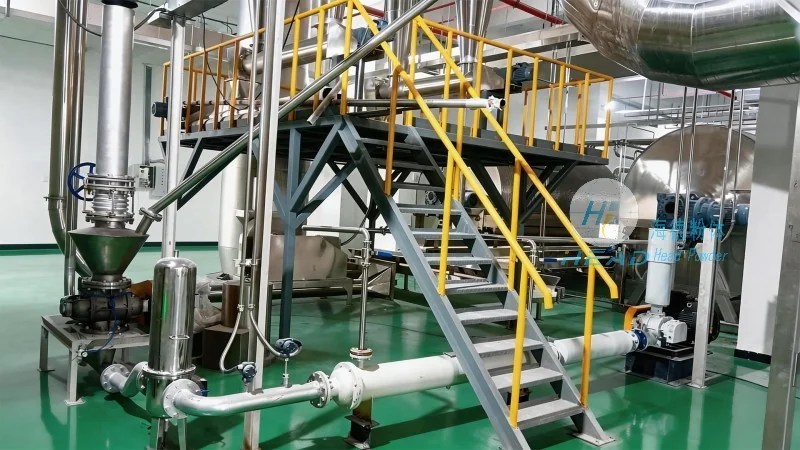
Negative Pressure Conveying Systems
Negative pressure conveying systems, also known as vacuum systems, work by creating a vacuum in the pipeline to draw material from the source to the receiver. This method is commonly used for long-distance conveying and for applications where the material needs to be transported from multiple points to a central collection point. HeadPowder's negative pressure systems are designed to handle light bulk powders with high efficiency, even over extended distances. The vacuum created in the system ensures that the powder is drawn through the pipeline without the need for mechanical components like augers or belts, which can cause wear and tear. These systems are equipped with advanced filtration and dust collection features to maintain air quality and comply with environmental regulations. The negative pressure approach is particularly suitable for applications where the material is sensitive to moisture or where dust control is a priority.
Combined Conveying Systems
For more complex conveying requirements, HeadPowder offers combined conveying systems that integrate both positive and negative pressure components. These systems are designed to handle a wide range of light bulk powders, including those with varying particle sizes and moisture content. The combined approach allows for flexibility in the conveying process, enabling the system to switch between positive and negative pressure modes depending on the operational needs. This flexibility is particularly useful in applications where the material source or destination changes frequently, such as in pharmaceutical manufacturing or food processing plants. The combined system also provides better control over the material flow, reducing the risk of blockages and ensuring consistent performance.
Key Features of HeadPowder's Light Bulk Powder Pneumatic Conveying Systems
HeadPowder's pneumatic conveying systems are engineered with several key features that make them suitable for light bulk powder applications. These features include:

- Advanced Air Control Technology: The systems utilize precision air control mechanisms to maintain consistent pressure and flow rates, ensuring efficient material transport. This technology helps to minimize energy consumption and reduce operational costs.
- Robust Material Handling Components: The conveying components, such as cyclones and filters, are designed to handle fine and low-density powders without causing degradation or clogging. The materials used in the construction of these components are resistant to corrosion and wear, ensuring long-term reliability.
- Customizable System Design: HeadPowder offers customized solutions tailored to the specific needs of each client. The systems can be designed to handle different types of light bulk powders, including those with high moisture content or abrasive properties. This customization ensures that the system is optimized for the particular application, maximizing efficiency and minimizing downtime.
- Integrated Dust Control: The systems are equipped with advanced dust collection and filtration systems to maintain air quality and comply with environmental regulations. The dust control features help to reduce the risk of dust explosions and improve workplace safety.
Applications of Light Bulk Powder Pneumatic Conveying
HeadPowder's pneumatic conveying systems are used in a variety of industries that handle light bulk powders. These include:
- Chemical Industry: The systems are used to transport fine chemicals, such as powders used in pharmaceuticals and food additives. The positive pressure and negative pressure systems are suitable for handling materials with varying particle sizes and moisture content.
- Food and Beverage Industry: The systems are used to convey food powders, such as cocoa, sugar, and flour. The dust control features and hygienic design of the systems make them suitable for food processing applications.
- Pharmaceutical Industry: The systems are used to transport pharmaceutical powders, such as active pharmaceutical ingredients (APIs) and excipients. The systems are designed to meet the stringent requirements of the pharmaceutical industry, including GMP compliance and dust control.
- Plastics and Rubber Industry: The systems are used to convey plastic and rubber powders, such as those used in manufacturing tires and plastic products. The systems are designed to handle materials with high abrasiveness and low density.
Conclusion
Light bulk powder conveying is a critical process in many industrial applications, and the choice of conveying method can significantly impact operational efficiency and product quality. HeadPowder's pneumatic conveying systems offer a reliable and efficient solution for handling light bulk powders, with options that include positive pressure, negative pressure, and combined systems. The company's commitment to customizing its solutions to meet the specific needs of each client ensures that its systems are optimized for performance and reliability. With its advanced technology and robust design, HeadPowder's pneumatic conveying systems are an excellent choice for industries that require efficient and safe material handling of light bulk powders.