

What is a soybean feed pneumatic conveying system and its design principles?
For agricultural and food processing operations, efficient handling of bulk materials like soybean feed is crucial. A key technology in this field is the pneumatic conveying system, which uses air pressure to transport materials. This article explores the soybean feed pneumatic conveying system equipment and its underlying design principles, providing insights into how such systems are engineered for optimal performance in feed processing applications.

Introduction to Soybean Feed Pneumatic Conveying Systems
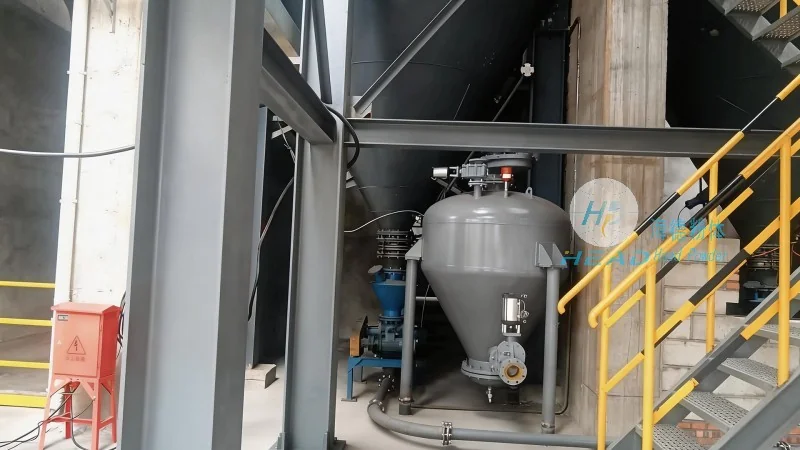
The soybean feed pneumatic conveying system is a specialized piece of equipment designed to transport soybean feed from storage silos or processing units to feeding stations or packaging areas. Unlike traditional mechanical conveyors, which rely on belts or buckets, pneumatic systems utilize compressed air to move material through a pipeline network. This method offers several advantages, including reduced labor costs, lower maintenance requirements, and the ability to handle materials that are dusty or have a tendency to clump. The system typically consists of a hopper, a blower or air compressor, a pipeline system, and a discharge device. Each component plays a critical role in ensuring the smooth and efficient transport of soybean feed.
Key Components of the Soybean Feed Pneumatic Conveying System
Understanding the individual components of the system is essential for grasping its design principles. The primary components include:
Hopper: The hopper is the storage and feeding unit where soybean feed is loaded. It is designed to maintain a consistent flow of material into the system, preventing blockages and ensuring a steady supply to the blower. The hopper often features a sloped bottom to facilitate material discharge and may include a feeder mechanism, such as a rotary valve or a gate valve, to control the flow rate.
Blower or Air Compressor: This is the heart of the pneumatic system, responsible for generating the air pressure needed to move the material. The choice between a blower and a compressor depends on the system's requirements, such as the distance and volume of material to be conveyed. A blower is generally more suitable for shorter distances and lower pressures, while a compressor is used for longer distances or higher material loads. The blower or compressor must be sized appropriately to provide sufficient air volume and pressure to overcome resistance in the pipeline and lift the material.

Pipeline System: The pipeline network connects the hopper to the discharge point and is typically made of materials like stainless steel or PVC, chosen for their durability and resistance to corrosion from the feed material. The diameter and length of the pipeline are critical design factors, as they directly impact the system's efficiency and energy consumption. Proper sizing ensures that the air velocity within the pipeline is sufficient to keep the material suspended and moving without causing excessive wear or pressure drops.
Discharge Device: The discharge device, often located at the end of the pipeline, controls the release of soybean feed into the target location. This can be a rotary valve, a gate valve, or a venturi system, depending on the application. The design of the discharge device is crucial for preventing material buildup and ensuring a controlled, uniform flow of feed. It must be compatible with the material's properties, such as its density and moisture content, to avoid clogging or damage.
Design Principles for Efficient Soybean Feed Conveying
The design of a soybean feed pneumatic conveying system is guided by several key principles aimed at maximizing efficiency, reliability, and cost-effectiveness. These principles include:
Air Velocity and Material Suspension: A critical design principle is maintaining an appropriate air velocity within the pipeline to keep the soybean feed suspended and moving. The air velocity must be high enough to overcome the gravitational force acting on the material particles but not so high as to cause excessive wear on the pipeline or increase energy consumption. Engineers typically calculate the required air velocity based on the material's density, particle size, and the pipeline diameter. For soybean feed, a typical air velocity range is between 20 to 30 meters per second, depending on the system's configuration.
Pressure Drop Management: Pressure drop refers to the reduction in air pressure as it travels through the pipeline. Excessive pressure drop can lead to reduced conveying capacity and increased energy costs. Designers minimize pressure drop by optimizing the pipeline length, diameter, and bends, as well as by using smooth, well-lubricated components. Regular maintenance, such as cleaning the pipeline and checking for blockages, is also essential to prevent unnecessary pressure losses.
Material Flow Control: Controlling the flow of soybean feed from the hopper to the discharge point is another important design consideration. This involves selecting appropriate feeder mechanisms, such as rotary valves or gate valves, that can handle the material's characteristics without causing clogging or uneven flow. The feeder must be sized to match the hopper's capacity and the system's conveying rate, ensuring a consistent supply of material to the blower.
System Integration and Scalability: The design of the soybean feed pneumatic conveying system must consider its integration with other processing equipment and its potential for future expansion. Engineers design systems that can be easily connected to existing infrastructure, such as silos or processing lines, and that can be scaled up or down to accommodate changes in production volume. This flexibility ensures that the system remains efficient and cost-effective as the operation grows.
Benefits of Using a Soybean Feed Pneumatic Conveying System
Implementing a soybean feed pneumatic conveying system offers several benefits for agricultural and food processing operations. These include:
Improved Efficiency and Productivity: By automating the material handling process, the system reduces the need for manual labor and increases the speed of feed transport. This leads to higher production rates and improved overall efficiency in the feed processing operation.

Reduced Maintenance and Operating Costs: Pneumatic systems typically require less maintenance than traditional mechanical conveyors, as they have fewer moving parts and are less prone to wear and tear. Additionally, the energy consumption of a well-designed pneumatic system is often lower than that of mechanical systems, resulting in lower operating costs over the system's lifespan.
Enhanced Material Handling Capabilities: The pneumatic system is capable of handling a wide range of soybean feed types, including those with high moisture content or dusty characteristics. The system's ability to transport materials without direct contact reduces the risk of contamination and ensures the quality of the feed remains consistent.
Space Efficiency: Pneumatic conveying systems can be designed to fit into tight spaces, making them ideal for facilities with limited room for traditional conveyor systems. The compact design of the system allows for efficient use of available space while still achieving high conveying rates.
Conclusion
The soybean feed pneumatic conveying system is a sophisticated piece of equipment that plays a vital role in modern feed processing operations. By understanding its design principles and key components, operators can select and implement a system that meets their specific needs for efficiency, reliability, and cost-effectiveness. As technology continues to advance, these systems are likely to become even more efficient and adaptable, further enhancing their role in the agricultural and food processing industries.