

What Methods Are Available for Conveying Lightweight Micropowders
For industries dealing with lightweight micropowders, selecting the right conveying method is crucial for efficiency, cost-effectiveness, and product integrity. Shandong HeadPowder Engineering Co., Ltd., a leading provider in the field, offers insights into various effective methods for handling such materials. This article explores the key approaches used in the industry, focusing on practical applications and technical considerations.

Understanding Lightweight Micropowders and Their Conveying Challenges
Lightweight micropowders, such as calcium carbonate, talc, or certain types of plastic powders, present unique challenges during material handling. Their low bulk density and fine particle size can lead to issues like clogging, uneven flow, and increased energy consumption if not managed properly. Effective conveying systems must address these challenges while maintaining product quality and operational stability. HeadPowder, with its expertise in powder processing, emphasizes the importance of matching the conveying method to the specific properties of the micropowder being handled.
Common Conveying Methods for Lightweight Micropowders
Several methods are commonly employed for transporting lightweight micropowders, each with its own advantages and suitable applications. The choice of method depends on factors like the material's characteristics, required throughput, system layout, and budget. Below are some of the most effective approaches:
Air-Flow (Pneumatic) Conveying Systems
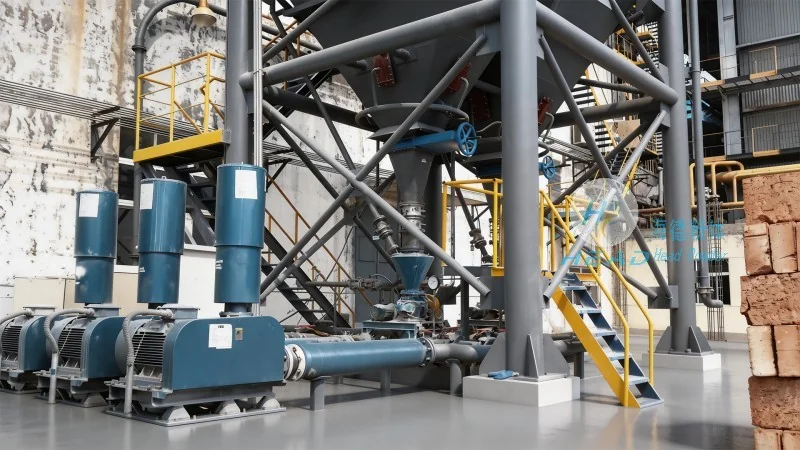
Air-flow or pneumatic conveying is one of the most popular methods for lightweight micropowders due to its ability to handle fine particles and maintain product purity. This system uses compressed air to transport the powder through a pipeline. There are two main types: dilute-phase and dense-phase conveying. Dilute-phase systems use higher air velocities to keep particles suspended, suitable for long-distance transport with moderate throughput. Dense-phase systems, on the other hand, use lower air velocities and higher powder concentrations, ideal for short distances or when gentle handling is required to prevent particle degradation. HeadPowder specializes in designing customized pneumatic conveying systems that optimize air flow and pressure to ensure efficient and reliable transport of lightweight micropowders.
Screw Conveyors
Screw conveyors, also known as auger conveyors, are another effective method for conveying lightweight micropowders. These systems consist of a rotating screw inside a tube, which moves the material forward through the pipeline. Screw conveyors are particularly suitable for horizontal or slightly inclined transport and can handle a wide range of powder types, including those with varying bulk densities. They are often used in applications where the powder needs to be mixed or blended with other materials. The design of the screw, including its pitch and material, is critical to prevent clogging and ensure smooth operation. HeadPowder offers screw conveyor solutions tailored to the specific requirements of lightweight micropowders, ensuring consistent performance and minimal maintenance.
Vibrating Conveyors
Vibrating conveyors use mechanical vibrations to move lightweight micropowders along a trough. This method is effective for materials that are prone to clogging or have poor flow characteristics. The vibrations help break up agglomerates and maintain a consistent flow rate. Vibrating conveyors are commonly used in applications where the material needs to be transported over moderate distances or at a controlled speed. They are particularly suitable for powders with low bulk density and fine particle sizes. HeadPowder's vibrating conveyor systems are designed to handle the unique challenges of lightweight micropowders, providing reliable and efficient transport with minimal energy consumption.

Fluidized Bed Conveying
Fluidized bed conveying is a specialized method that uses a fluidizing medium, typically air or gas, to suspend the lightweight micropowder particles and transport them through a pipeline. This technique is ideal for materials with very low bulk density and fine particle sizes, as it ensures gentle handling and prevents particle degradation. Fluidized bed conveyors are often used in processes where the powder needs to be heated or mixed with other substances during transport. HeadPowder's expertise in fluidized bed technology allows for the design of systems that optimize the fluidizing process, ensuring efficient and consistent conveying of lightweight micropowders.
Selection Criteria for Conveying Systems
When selecting a conveying method for lightweight micropowders, several factors must be considered to ensure optimal performance and cost-effectiveness. These include the material's physical properties (such as particle size, density, and moisture content), the required throughput and distance of transport, the available space and layout of the facility, and the budget constraints. HeadPowder provides comprehensive consultation services to help clients evaluate these factors and choose the most suitable conveying system. Our team of engineers works closely with clients to understand their specific needs and recommend tailored solutions that meet their operational and financial requirements.
Conclusion
Conveying lightweight micropowders effectively requires careful consideration of the material's properties and the available conveying technologies. Shandong HeadPowder Engineering Co., Ltd. offers a range of advanced solutions, including pneumatic, screw, vibrating, and fluidized bed systems, to meet the diverse needs of industries handling these materials. By leveraging our expertise and customized approach, we help clients achieve efficient, reliable, and cost-effective material transport, ensuring product quality and operational success. For more information on our conveying solutions, contact HeadPowder at our facility in Shandong, China.