

What is Denitrator Agent Pneumatic Conveying? Introduction to the Working Principle of Powder Handli
Denitrator agent, also known as selective catalytic reduction (SCR) agent, is a critical component in modern flue gas treatment systems used to reduce nitrogen oxides (NOx) emissions from industrial processes. The efficient transportation of this powder material from storage to the injection point is essential for maintaining optimal performance in these systems. Pneumatic conveying, a method that uses pressurized air or gas to move bulk powders through a pipeline, offers a reliable solution for handling denitrator agents. This article provides an overview of denitrator agent pneumatic conveying systems, detailing their working principles and key components, and is brought to you by Shandong HeadPowder Engineering Co., Ltd., a leading provider of powder handling solutions based in China.

Introduction to Pneumatic Conveying Systems for Denitrator Agents
Pneumatic conveying systems are widely used in industrial applications to transport dry powders, including denitrator agents, due to their ability to handle fine powders without the need for mechanical components that might cause clogging or contamination. The process involves creating a flow of air or gas within a pipeline, which entrains the powder particles and transports them from the source to the destination. There are two primary types of pneumatic conveying systems: pressure and vacuum. Pressure systems use compressed air to push the material through the pipeline, while vacuum systems use a vacuum pump to pull the material. For denitrator agents, which are typically fine and abrasive, pressure systems are often preferred as they provide more consistent and reliable flow.
Key Components of a Denitrator Agent Pneumatic Conveying System
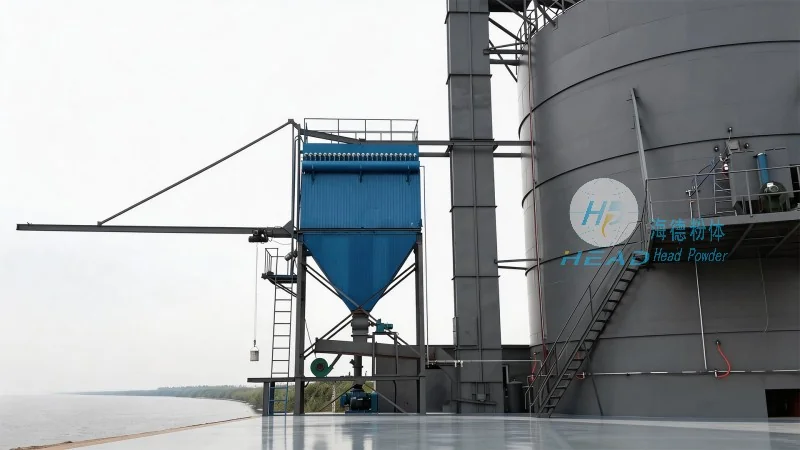
A typical denitrator agent pneumatic conveying system consists of several key components that work together to ensure efficient and safe material transport. These components include:
1. Storage Silo or Hopper: The denitrator agent is stored in a large silo or hopper, which provides a consistent supply of material to the system. The design of the silo is crucial to prevent material bridging or caking, which can disrupt the flow.
2. Airlock or Feeder: Located at the bottom of the storage silo, the airlock or feeder is responsible for controlling the flow of material from the silo into the conveying line. It ensures that the material is fed at a controlled rate, preventing overloading or underloading of the system.

3. Pneumatic Conveying Pipe: The main component of the system, the conveying pipe is a sealed pipeline that transports the denitrator agent and air mixture. The pipe is typically made of materials such as stainless steel or plastic, which are resistant to corrosion and abrasion from the powder.
4. Compressor or Blower: The compressor or blower provides the necessary air pressure to move the material through the pipeline. The choice of equipment depends on the system's capacity and the distance the material needs to be transported. High-pressure blowers are commonly used for pressure systems, while vacuum pumps are used for vacuum systems.
5. Inlet and Outlet Valves: These valves control the flow of air and material into and out of the conveying line. They are essential for maintaining system pressure and preventing backflow or material leakage.
6. Filter and Dust Collector: At the end of the conveying line, a filter or dust collector is used to separate the powder from the air. This is important for maintaining air quality and preventing dust contamination in the surrounding environment.

Working Principle of Denitrator Agent Pneumatic Conveying
The working principle of a denitrator agent pneumatic conveying system involves several steps. First, the denitrator agent is fed from the storage silo into the airlock or feeder. The feeder then releases the material into the conveying pipe, where it is mixed with pressurized air from the compressor. The air and powder mixture is then transported through the pipeline to the injection point. At the injection point, the air and powder are separated, and the powder is deposited into the flue gas system for NOx reduction. The air is then filtered and returned to the system or released to the atmosphere.
Advantages of Pneumatic Conveying for Denitrator Agents
Pneumatic conveying systems offer several advantages for transporting denitrator agents. These include:
1. Efficient and Reliable: Pneumatic systems can transport denitrator agents over long distances with minimal loss or degradation of the material. The pressurized air ensures consistent flow and prevents material clogging.
2. Low Maintenance: Compared to mechanical conveying systems, pneumatic systems have fewer moving parts, reducing the risk of wear and tear and lowering maintenance costs.
3. Flexible and Scalable: Pneumatic systems can be easily scaled to accommodate changes in production capacity or material flow rates. They can also be integrated with existing flue gas treatment systems without major modifications.
4. Safe and Clean: The sealed pipeline design of pneumatic systems prevents dust contamination and ensures a clean working environment. The system also reduces the risk of material exposure to the environment, which is important for environmental compliance.
Applications of Denitrator Agent Pneumatic Conveying
Denitrator agent pneumatic conveying systems are used in a variety of industrial applications, including power plants, cement factories, and chemical plants. These systems are essential for maintaining the efficiency of flue gas treatment systems and reducing NOx emissions, which is critical for meeting environmental regulations. The systems are also used in research and development applications to test new denitrator agent formulations and optimize the conveying process.
Conclusion
Pneumatic conveying is a reliable and efficient method for transporting denitrator agents in industrial applications. The system's ability to handle fine powders without mechanical components makes it an ideal solution for maintaining the performance of flue gas treatment systems. By understanding the working principles and key components of a denitrator agent pneumatic conveying system, industrial facilities can ensure the safe and effective transportation of denitrator agents, contributing to improved environmental performance and regulatory compliance.