

Common Methods for Graphite Electrode Conveyance
Graphite electrodes are crucial components in the steelmaking process, particularly in electric arc furnaces used for high-temperature melting of raw materials. The efficient conveyance of these electrodes from storage to the furnace is a critical operational step that directly impacts production efficiency and safety. Various methods are employed to transport graphite electrodes, each tailored to different operational scales and requirements. Understanding these common conveyance methods is vital for optimizing industrial processes and ensuring the integrity of the electrodes during transport.
1. Manual Handling and Mechanical Lifting Equipment
Manual handling remains a traditional yet effective method for transporting graphite electrodes, especially in smaller-scale operations or for electrodes of manageable dimensions. This approach involves workers using slings, hoists, or forklifts to move electrodes. For example, a crane may lift a large graphite electrode from a storage rack and position it at the furnace loading area. While cost-effective for low-volume needs, manual handling requires careful training to prevent accidents and ensure the electrodes are not damaged during transport. Proper safety protocols, such as wearing protective gear and adhering to load limits, are essential to maintain the safety of the workforce and the integrity of the electrodes. This method is particularly useful when dealing with irregularly shaped electrodes or when flexibility in movement is required.

2. Automated Conveyor Systems
Automated conveyor systems have become increasingly prevalent in medium to large-scale production facilities for graphite electrode conveyance. These systems integrate rollers, chains, or belts to move electrodes along a predefined path, enhancing efficiency and consistency. The design can be customized to accommodate different electrode sizes and shapes, ensuring smooth and continuous operation. Automated conveyors are particularly effective in high-volume production environments, as they reduce human error and increase the speed of transport. They are often integrated with sensors and control systems to monitor the movement of electrodes and adjust the process as needed. For instance, a conveyor system might transport electrodes from the manufacturing line to a storage area, where they are then sorted and prepared for furnace use. This method minimizes downtime and ensures a steady supply of electrodes to the furnace, improving overall production output. However, the initial investment and maintenance costs for automated systems are higher compared to manual methods.

3. Pneumatic and Hydraulic Handling Solutions
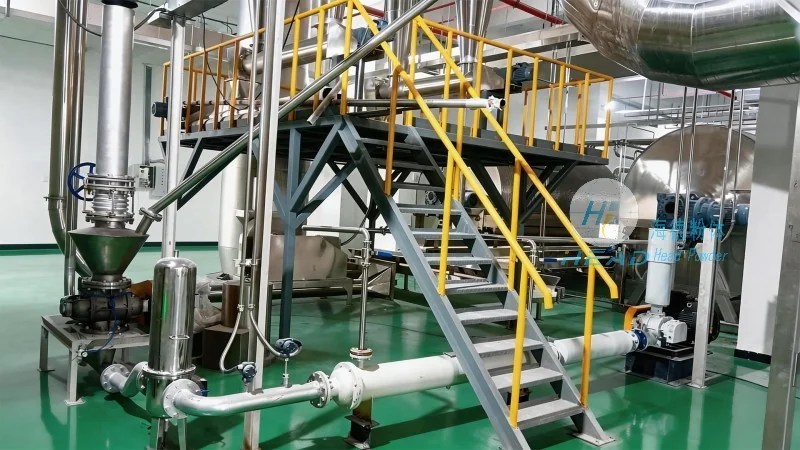
Advanced handling technologies, such as pneumatic and hydraulic systems, offer precise and safe conveyance of graphite electrodes. Pneumatic conveyors use compressed air to transport electrodes through a network of tubes or hoses, making them suitable for smaller electrodes or in environments where electrical sparks are a concern. These systems provide gentle handling, reducing the risk of surface damage to the electrodes. Hydraulic systems, on the other hand, utilize fluid pressure to operate lifting and moving mechanisms, offering greater force and stability for heavier or irregularly shaped electrodes. Both pneumatic and hydraulic solutions minimize manual intervention, enhancing safety and operational efficiency. They are particularly beneficial in facilities that handle high-value or delicate electrodes, where precision and minimal contact are crucial. These advanced systems help maintain the quality of the electrodes and reduce the risk of damage during transport.

4. Integrated Material Handling Networks
In modern industrial settings, especially in large-scale steel production plants, integrated material handling networks combine multiple conveyance methods to create a seamless workflow. These networks may include automated conveyors, robotic arms, and automated storage and retrieval systems (AS/RS). The integration allows for real-time tracking of electrodes, optimizing their movement from production to storage and then to the furnace. This approach enhances overall efficiency by reducing downtime and ensuring that the right electrode is available at the right time. Companies like Shandong HeadPowder Engineering Co., Ltd., based in China, specialize in designing and implementing such integrated systems tailored to the specific needs of their clients. Their expertise in material handling technology helps optimize the conveyance process, leading to improved productivity and reduced operational costs. By leveraging advanced automation and control systems, these networks ensure consistent and reliable transport of graphite electrodes, supporting the continuous operation of steelmaking facilities. The integration of these systems also facilitates better inventory management and reduces waste, contributing to overall operational excellence.