

Design Considerations for Plastic Pneumatic Conveying Systems
When designing a plastic pneumatic conveying system, several critical factors must be considered to ensure efficient, reliable, and cost-effective operation. These considerations span material properties, system components, and operational parameters, all of which play a vital role in the system's performance and longevity. Understanding these design principles is essential for engineers and industry professionals aiming to implement effective plastic handling solutions.

Key Design Considerations for Plastic Pneumatic Conveying
One of the primary considerations in plastic pneumatic conveying system design is the material's physical characteristics. Plastics vary widely in terms of density, particle size, moisture content, and abrasiveness. For instance, lightweight plastics like polyethylene may require different air velocities and pressure differentials compared to denser materials such as polypropylene or PVC. The particle size distribution is also crucial; finer particles tend to cause more friction and require higher air flow rates to maintain consistent conveying. Additionally, moisture content can affect material flowability and may necessitate drying or moisture control measures within the system.
System Component Selection and Integration
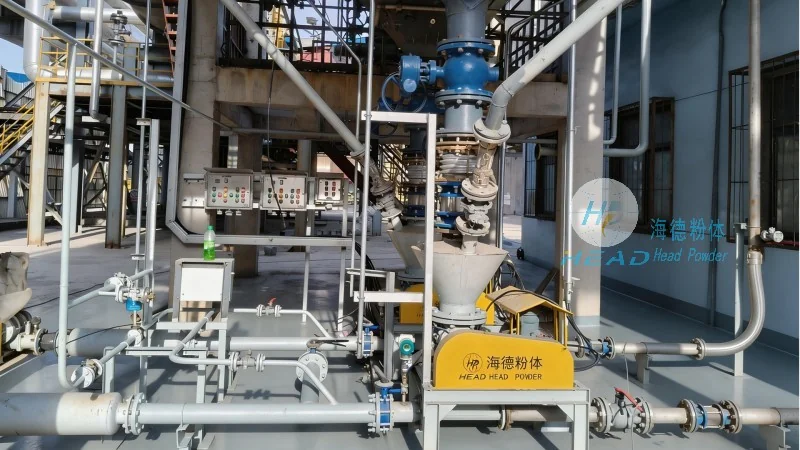
Choosing the right components is paramount to the success of a plastic pneumatic conveying system. The selection of the conveying line material, such as stainless steel or specialized plastic tubing, depends on the plastic's chemical compatibility and the system's operating conditions. For instance, corrosive plastics may require stainless steel or PTFE-lined components to prevent degradation. The blower or compressor selection is another critical decision, as it must provide sufficient pressure and airflow to overcome system resistance while maintaining energy efficiency. Additionally, the design of the feed and discharge equipment, including hoppers and valves, must be tailored to the plastic's flow characteristics to avoid blockages or material degradation.

Pressure and Airflow Management
Effective pressure and airflow management is essential for optimal plastic pneumatic conveying. The system's pressure differentials and air velocity must be carefully calculated to ensure that the material is conveyed without excessive wear on components or degradation of the plastic. High air velocities can lead to increased energy consumption and potential damage to the plastic particles, while low velocities may result in system blockages or inefficient material transport. Engineers must consider factors such as the system's length, elevation changes, and the number of bends or fittings, as these all contribute to the total pressure drop and airflow requirements. Proper design ensures that the system operates within safe and efficient parameters, minimizing operational costs and maximizing throughput.

Material Handling and Process Integration
Integrating the plastic pneumatic conveying system with the overall production process is a key design consideration. The system must be compatible with upstream and downstream equipment, such as mixers, extruders, or storage tanks, to ensure seamless material flow. The design must also account for the system's integration with other process controls, including temperature and moisture monitoring, to maintain product quality. Additionally, the system's scalability and adaptability to future process changes are important factors, as businesses may need to expand or modify their operations over time. A well-designed system provides flexibility and reduces the need for costly retrofits or system replacements.
Maintenance and Operational Considerations
Maintenance and operational considerations are critical for the long-term performance of a plastic pneumatic conveying system. Regular maintenance, including cleaning of components, checking for wear and tear, and monitoring air pressure and flow rates, is essential to prevent system failures and ensure consistent performance. The system's design should also include features that facilitate easy maintenance, such as accessible hoppers and components, and clear operational guidelines. Additionally, training operators on proper system operation and maintenance procedures is vital to minimize downtime and maximize system efficiency. By addressing these operational considerations from the design phase, engineers can ensure that the system operates reliably and efficiently over its service life.
Conclusion and Company Overview
Designing a plastic pneumatic conveying system requires a comprehensive approach that considers material properties, component selection, pressure management, and operational factors. By addressing these key considerations, engineers can develop systems that are efficient, reliable, and cost-effective. Shandong HeadPowder Engineering Co., Ltd., a leading provider of plastic processing solutions, specializes in the design and implementation of custom plastic pneumatic conveying systems tailored to the specific needs of their clients. With years of experience in the industry, HeadPowder offers expert guidance and innovative solutions to help businesses optimize their plastic handling processes. Located in Shandong, China, HeadPowder serves a wide range of industries, including plastics manufacturing, food processing, and chemical production, providing high-quality, reliable systems that meet the most demanding operational requirements.