

Operation Process and Working Principle of a Pneumatic Conveyor for Lime Material
HeadPowder, a leading manufacturer based in Shandong, China, specializes in providing high-efficiency pneumatic conveyors designed for handling lime material. This article delves into the operation process and working principle of such equipment, offering insights into how these systems efficiently transport lime while maintaining operational reliability.

Introduction to Pneumatic Conveying Systems for Lime Material
Pneumatic conveyors are essential in industrial applications where the safe and efficient transport of bulk materials like lime is required. These systems utilize air pressure to move materials through a pipeline network, eliminating the need for mechanical components such as belts or buckets. The design of a pneumatic conveyor for lime material is tailored to handle the specific properties of lime, including its particle size, density, and flow characteristics. HeadPowder's expertise in engineering ensures that their conveyors are optimized for the unique demands of lime handling, providing consistent performance and minimal maintenance.
Key Components of a Pneumatic Conveyor for Lime Material
The operation of a pneumatic conveyor for lime material involves several critical components that work in tandem to ensure smooth material transport. These components include the hopper, which serves as the material storage and feeding unit; the air compressor, which generates the necessary air pressure to move the material; the pipeline system, which forms the transport pathway; and the discharge unit, which releases the material at the destination. Each component is designed to handle the specific challenges of lime material, such as its tendency to settle or clog in traditional conveying systems. HeadPowder incorporates advanced materials and engineering techniques to prevent clogging and ensure consistent airflow, enhancing the overall efficiency of the system.

The Working Principle of a Pneumatic Conveyor for Lime Material
The working principle of a pneumatic conveyor for lime material is based on the principle of air pressure and material suspension. When the air compressor operates, it generates a high-pressure air stream that is introduced into the pipeline. The hopper then releases the lime material into the pipeline, where the air stream lifts and transports the particles through the system. The air pressure is carefully controlled to maintain a consistent flow rate, preventing the material from settling or causing blockages. The discharge unit then releases the material at the desired location, completing the transport process. This process is continuous and can be adjusted to handle varying volumes of lime material, making it suitable for both small-scale and large-scale industrial applications.
Operation Process of a Pneumatic Conveyor for Lime Material
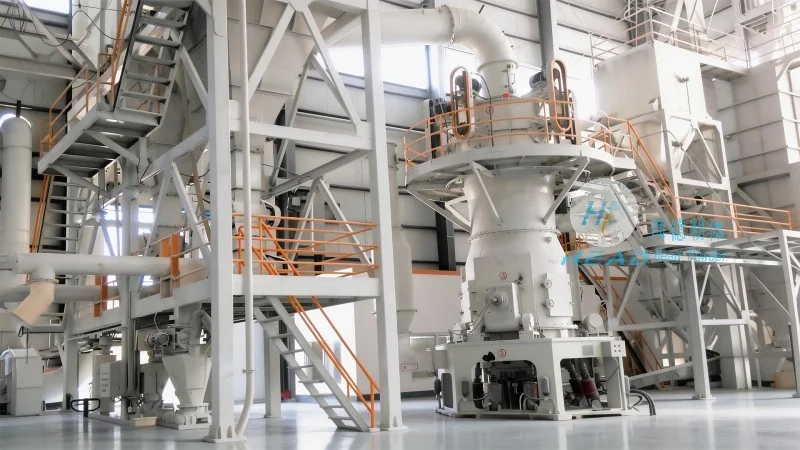
The operation process of a pneumatic conveyor for lime material begins with the loading of the hopper. The hopper is filled with lime material, and the air compressor is activated to generate the required air pressure. The material is then released from the hopper into the pipeline, where it is suspended by the air stream and transported to the discharge point. The system continuously monitors the pressure and flow rate to ensure optimal performance. If any issues arise, such as a blockage or pressure drop, the system automatically adjusts to maintain the flow. This self-regulating feature ensures that the conveyor operates reliably and efficiently, minimizing downtime and maintenance requirements. HeadPowder's pneumatic conveyors are equipped with advanced control systems that allow for real-time monitoring and adjustment, enhancing the overall operational efficiency.
Advantages of Using a Pneumatic Conveyor for Lime Material
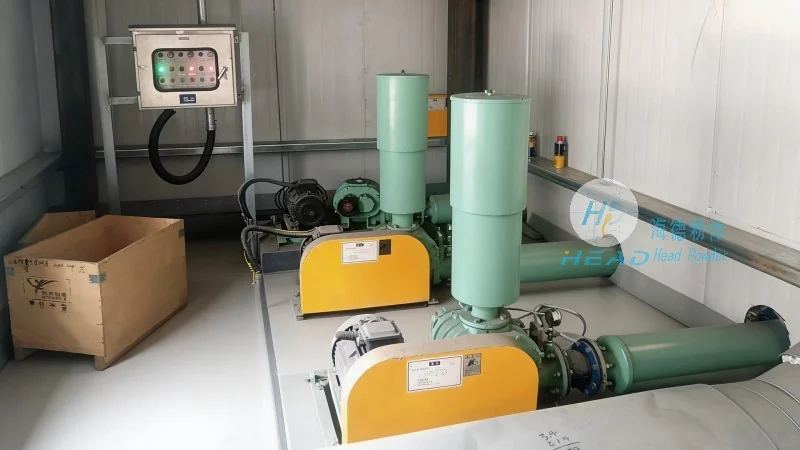
Utilizing a pneumatic conveyor for lime material offers several advantages over traditional conveying methods. First, it eliminates the need for mechanical components, reducing the risk of wear and tear and minimizing maintenance costs. Second, the system is highly efficient, with minimal material loss and consistent flow rates. Third, the design of the conveyor is flexible, allowing it to be adapted to different industrial settings and material volumes. HeadPowder's pneumatic conveyors are designed to maximize these advantages, providing a reliable and cost-effective solution for lime material transport. The system is also environmentally friendly, as it does not require the use of water or other liquids for transport, reducing the risk of contamination and environmental impact.
Conclusion
HeadPowder's pneumatic conveyors for lime material are engineered to provide efficient, reliable, and cost-effective transport solutions. By understanding the operation process and working principle of these systems, industrial users can make informed decisions about their material handling needs. The company's expertise in engineering and manufacturing ensures that their conveyors are tailored to the specific requirements of lime material, offering optimal performance and minimal maintenance. As a leading manufacturer based in Shandong, China, HeadPowder continues to innovate and provide high-quality solutions for the industrial sector, meeting the evolving demands of material handling in various industries.