

What is Pulse Jet Dust Removal Material Pneumatic Conveying? What are the Design Principles?
For industrial applications that require efficient material handling and dust removal, pulse jet dust removal material pneumatic conveying systems have emerged as a reliable solution. This technology combines the benefits of pneumatic conveying with advanced dust filtration, making it ideal for processing powders and granules in various industries. The system operates by transporting materials through a pipeline using compressed air, while simultaneously removing dust and particulate matter from the air stream. This dual functionality ensures both material transport and air purification, addressing key challenges in industrial processing.


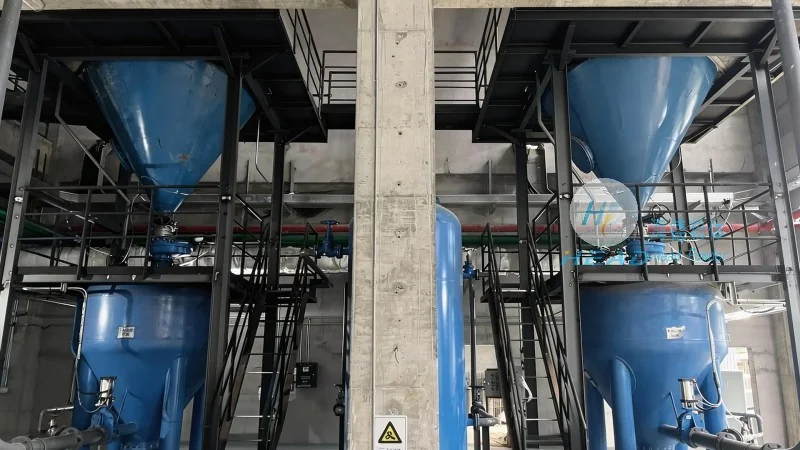
Understanding the Core Components of Pulse Jet Dust Removal Material Pneumatic Conveying
The effectiveness of a pulse jet dust removal material pneumatic conveying system relies on its key components, each designed to optimize performance and efficiency. The primary components include the material hopper, which stores the bulk material; the conveying pipeline, which transports the material from the source to the destination; the dust collector, which captures and removes airborne particles; and the pulse jet valve, which generates high-pressure air pulses to clean the filter media. Each component works in harmony to ensure smooth material flow and consistent dust removal. The material hopper is typically equipped with a feeding mechanism, such as a rotary valve or a star feeder, to control the flow rate of the material into the pipeline. The conveying pipeline is made of durable materials, such as stainless steel or plastic, to withstand the abrasive nature of the materials being transported. The dust collector features a filter bag or cartridge system that traps dust particles, and the pulse jet valve uses compressed air to periodically clean the filter, preventing clogging and maintaining high filtration efficiency. The control system, often integrated with sensors and automation, monitors the system's performance and adjusts parameters as needed to optimize operation.