

What is a Dilute Phase Material Conveying System? And What Are Its Design Principles?
Understanding dilute phase material conveying systems is crucial for industries that handle bulk materials efficiently and safely. These systems are designed to transport powders, granules, and other particulate materials through a pipeline using a high-velocity gas stream, typically air or other gases. The core of such a system lies in its ability to maintain the material in a suspended state, ensuring smooth and continuous flow. This article will explore the fundamental concepts of dilute phase material conveying and the key design principles that govern their operation.


Components of a Dilute Phase Material Conveying System
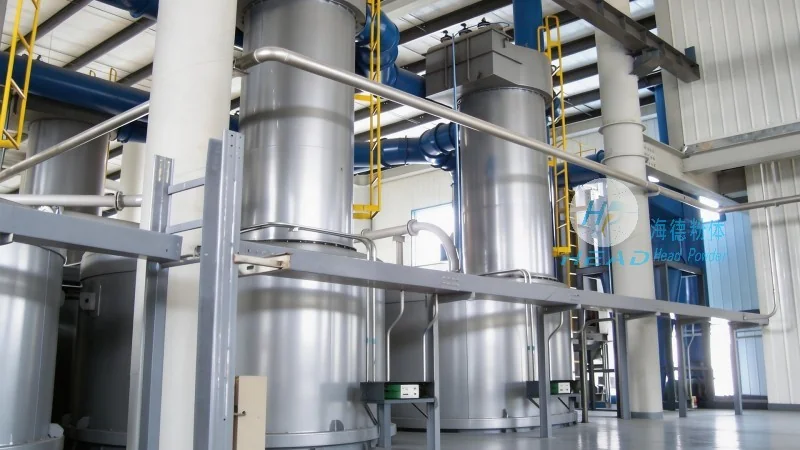
A dilute phase material conveying system typically consists of several critical components that work in tandem to achieve efficient material transport. The primary elements include a material feeder, a gas supply system, a conveying pipeline, and a receiver or discharge unit. The material feeder is responsible for introducing the bulk material into the system at a controlled rate, ensuring a consistent flow. The gas supply system provides the necessary pressure and volume of gas to create the high-velocity stream required for suspension. The conveying pipeline, often made of materials like stainless steel or plastic, transports the material and gas mixture. Finally, the receiver or discharge unit collects the material at the end of the pipeline, separating it from the gas and preparing it for further processing or storage.
Design Principles for Dilute Phase Material Conveying
The design of a dilute phase material conveying system is based on several key principles that ensure optimal performance, efficiency, and reliability. One of the most important principles is maintaining the material in a suspended state throughout the conveying process. This is achieved by ensuring the gas velocity in the pipeline is sufficient to overcome the gravitational forces acting on the particles. The gas velocity must be high enough to keep the particles airborne but not so high as to cause excessive wear on the pipeline or equipment. Another critical principle is the selection of appropriate equipment and materials. The material feeder must be capable of handling the specific characteristics of the bulk material, such as its particle size, density, and flowability. The gas supply system must be designed to provide consistent pressure and flow rates, which are essential for maintaining the desired gas velocity. The pipeline diameter and length are also carefully considered to minimize pressure drop and energy consumption. Additionally, the system must be designed to handle variations in material feed rate and gas flow, ensuring stable operation under different conditions. Proper sealing and maintenance of the system components are also essential to prevent material leakage and ensure long-term performance.

About Shandong HeadPowder Engineering Co., Ltd.
Shandong HeadPowder Engineering Co., Ltd. is a leading manufacturer and supplier of material handling equipment, including dilute phase material conveying systems. With years of experience in the industry, the company specializes in providing customized solutions tailored to the specific needs of its clients. HeadPowder's systems are designed to meet the highest standards of efficiency, reliability, and safety, ensuring that bulk materials are transported effectively and with minimal environmental impact. The company's commitment to quality and innovation has made it a trusted partner for many industries, including chemical, pharmaceutical, food, and mining. HeadPowder's facilities are located in Shandong, China, where the company leverages its expertise and advanced manufacturing capabilities to produce top-tier material handling solutions. By combining technical expertise with customer-centric approach, HeadPowder continues to deliver exceptional products and services to its global clientele.