

What is a Synthetic Graphite Powder Conveying System? What are its Design Principles?
Understanding synthetic graphite powder conveying systems is crucial for industries that rely on efficient material handling and processing. These systems are engineered to transport fine synthetic graphite powders, a key component in various high-tech applications, with precision and reliability. The design principles behind such systems are centered on optimizing flow, minimizing material degradation, and ensuring safe operation.

Introduction to Synthetic Graphite Powder Conveying Systems
Synthetic graphite powder is widely used in battery manufacturing, lubricants, and other industrial applications due to its superior electrical conductivity and mechanical properties. However, handling this fine powder requires specialized equipment to prevent clogging, dust generation, and material loss. A synthetic graphite powder conveying system addresses these challenges by integrating advanced technology and robust engineering solutions. The system typically includes components like hoppers, feeders, conveyors, and control mechanisms, all designed to work in harmony to ensure smooth material transport from the source to the processing point.
About HeadPowder: Your Trusted Partner in Powder Handling Solutions
HeadPowder, or Shandong HeadPowder Engineering Co., Ltd., is a leading manufacturer of specialized powder handling equipment based in Shandong, China. With years of experience in the industry, HeadPowder has developed a reputation for delivering high-quality, customized conveying systems tailored to the unique needs of their clients. The company's expertise lies in understanding the specific challenges of handling fine powders, such as synthetic graphite, and designing solutions that enhance efficiency, safety, and product integrity. By leveraging cutting-edge technology and adhering to strict quality standards, HeadPowder ensures that their systems meet the demanding requirements of modern industrial applications.

Design Principles of Synthetic Graphite Powder Conveying Systems
The design of a synthetic graphite powder conveying system is guided by several key principles aimed at optimizing performance and reliability. First, the system must ensure consistent and controlled material flow. This is achieved through the use of precision feeders, such as rotary valves or vibratory feeders, which regulate the amount of powder entering the conveyor. The choice of feeder depends on the powder's characteristics, including its particle size, density, and flowability. For synthetic graphite, which can be prone to bridging or caking, specialized feeders with adjustable speeds and angles are often employed to maintain a steady flow.
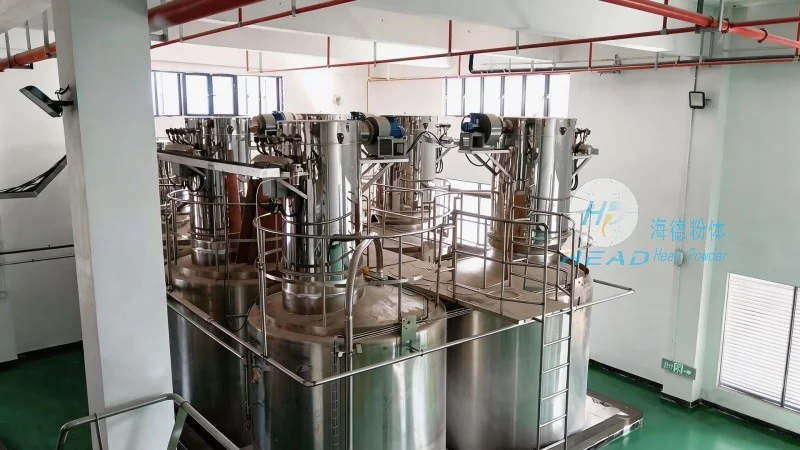
Second, the conveyor itself plays a critical role in the system's design. Common types include pneumatic conveying systems, which use air to transport the powder, and mechanical conveyors like screw conveyors or belt conveyors. Pneumatic systems are particularly effective for fine powders as they minimize material contact with surfaces, reducing the risk of contamination and degradation. The design of the conveyor line, including the length, diameter, and angle of the pipes or belts, is carefully calculated to maintain the desired flow rate and pressure. For synthetic graphite, which is sensitive to moisture and temperature, the system may incorporate features like temperature-controlled pipes or moisture-resistant materials to preserve the powder's quality.

Third, control and monitoring systems are integral to the design. Modern conveying systems are equipped with sensors and control panels that allow operators to monitor flow rates, pressure, and other critical parameters in real-time. This enables immediate adjustments to be made if any issues arise, such as a blockage or a change in powder characteristics. The control system may also include safety features, such as emergency shut-off valves, to prevent accidents and protect both personnel and equipment. For HeadPowder's systems, advanced control technology ensures that the conveying process is automated and efficient, reducing the need for manual intervention and minimizing the risk of human error.
Key Components and Their Functions
A synthetic graphite powder conveying system consists of several key components, each with a specific function that contributes to the overall performance of the system. The primary components include: