

What is a Polypropylene Resin Powder Pneumatic Conveying System? What is its Design Principle?
For industries dealing with polypropylene resin powders, efficient and reliable material handling is crucial. The polypropylene resin powder pneumatic conveying system equipment, developed by Shandong HeadPowder Engineering Co., Ltd., offers a sophisticated solution to meet these demands. This article explores the functionality and design principles of such systems, providing insights into how they enhance operational efficiency and safety in material transport.

Polypropylene Resin Powder Pneumatic Conveying System: An Overview
At the core of many manufacturing processes, polypropylene resin powders are essential raw materials. However, their handling requires specialized equipment to ensure consistent performance and minimize risks. The polypropylene resin powder pneumatic conveying system is engineered to transport these powders through a pressurized air system, eliminating the need for traditional mechanical conveyors that may cause product degradation or contamination. This system is particularly valuable in industries like plastics manufacturing, chemical processing, and pharmaceuticals, where maintaining the purity and integrity of the resin is paramount.
Key Components of the Pneumatic Conveying System
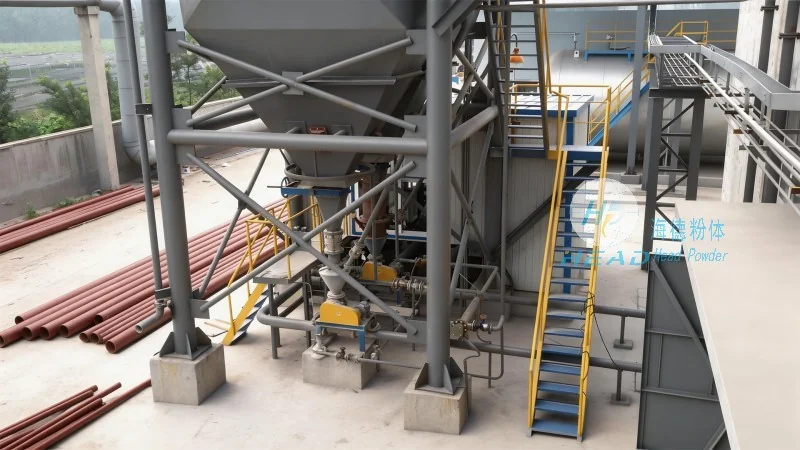
The effectiveness of a polypropylene resin powder pneumatic conveying system relies on several critical components that work in harmony to ensure smooth operation. These components include the hopper for material storage, the air compressor or blower to generate the necessary air pressure, the conveying line (often made of stainless steel to prevent corrosion), and the control system that regulates the flow of both material and air. Each component is designed to handle the specific characteristics of polypropylene resin powders, such as their fine particle size and potential for static charge buildup.
Design Principles: Ensuring Efficiency and Reliability
The design of a polypropylene resin powder pneumatic conveying system is guided by several key principles aimed at optimizing performance and safety. First, the system must maintain a consistent air pressure to prevent material blockages or uneven flow. This is achieved through precise control of the air compressor and the use of appropriate air filters to remove contaminants that could clog the system. Second, the conveying line is typically designed with a slight upward slope to facilitate gravity-assisted flow, reducing the risk of material settling or clogging in low points. Third, the system incorporates static discharge mechanisms to prevent electrostatic buildup, which can be hazardous and affect material flow. Additionally, the design considers the need for easy maintenance and cleaning, as polypropylene resin powders can adhere to surfaces and require regular upkeep to maintain efficiency.
Benefits of Using a Pneumatic Conveying System for Polypropylene Resin
Implementing a polypropylene resin powder pneumatic conveying system offers numerous advantages for industrial operations. Unlike traditional methods, such as bucket elevators or screw conveyors, pneumatic systems minimize product contamination and degradation. The enclosed system prevents exposure to environmental factors, ensuring the resin remains in its original state. Furthermore, these systems are highly flexible, allowing for changes in material flow rates and destinations without major modifications. They also reduce labor costs by automating the material handling process, freeing up personnel for other critical tasks. In terms of safety, pneumatic conveying eliminates the need for manual handling of powders, reducing the risk of dust explosions and respiratory issues associated with fine powders.

Application Examples in Different Industries
The versatility of polypropylene resin powder pneumatic conveying systems makes them suitable for a wide range of applications across various industries. In the plastics manufacturing sector, these systems are used to transport resin from storage silos to extrusion lines, ensuring a continuous supply of material for production. In chemical processing, they help move polypropylene powders between reactors and storage tanks, maintaining process efficiency. The pharmaceutical industry also benefits from these systems, as they enable the safe and hygienic transport of resin powders used in drug manufacturing, adhering to strict regulatory standards. Additionally, in the food and beverage industry, where polypropylene resin may be used in packaging, pneumatic conveying ensures that the material is handled without cross-contamination, meeting quality and safety requirements.
Conclusion: Choosing the Right System for Your Needs
For businesses dealing with polypropylene resin powders, investing in a well-designed pneumatic conveying system is a strategic decision that enhances operational efficiency, safety, and product quality. Shandong HeadPowder Engineering Co., Ltd. specializes in developing customized solutions tailored to the specific requirements of each client, ensuring that the system meets both current and future operational needs. By understanding the design principles and benefits of such systems, companies can make informed decisions that lead to improved productivity and reduced operational costs. As the demand for efficient material handling continues to grow, the polypropylene resin powder pneumatic conveying system remains a reliable and effective solution for modern industrial applications.