

Choosing Between Positive Pressure and Negative Pressure for Rare Earth Ore Powder Pneumatic Conveyi
Rare earth ore powder handling requires efficient and reliable material transport systems to ensure smooth operations in processing facilities. Among the various methods available, pneumatic conveying stands out as a critical technology for transporting fine powders like rare earth ore. However, the choice between positive pressure and negative pressure systems can significantly impact performance, cost, and operational safety. This article aims to provide a comprehensive guide to understanding the differences between these two approaches, helping industry professionals make informed decisions when selecting the most suitable pneumatic conveying solution for their rare earth ore powder applications.
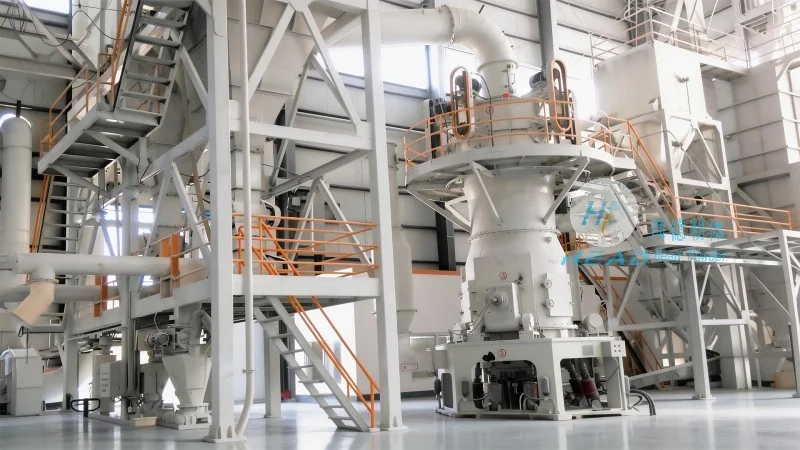
Introduction to Pneumatic Conveying Systems
Pneumatic conveying is a method of transporting bulk materials, including powders and granules, using air or gas as the conveying medium. It offers several advantages over traditional mechanical conveying, such as reduced equipment wear, lower maintenance costs, and the ability to handle materials in enclosed systems, minimizing dust emissions and improving workplace safety. For rare earth ore powder, which is often fine and abrasive, selecting the right pneumatic conveying system is crucial to prevent material degradation and ensure consistent product quality.
Positive Pressure Pneumatic Conveying: Key Characteristics and Applications
Positive pressure systems operate by blowing air or gas into the conveying line, creating a pressure higher than the ambient air pressure. This method is commonly used for short to medium-distance conveying and is particularly suitable for transporting materials that are prone to caking or agglomeration. In the context of rare earth ore powder, positive pressure systems are often preferred when dealing with high-density or cohesive powders that require gentle handling to avoid particle breakage.

One of the primary advantages of positive pressure systems is their ability to handle abrasive materials without excessive wear on components. The pressurized air flow helps maintain a consistent flow rate, reducing the risk of blockages and ensuring reliable material transport. Additionally, positive pressure systems are generally more energy-efficient for shorter conveying distances, as they do not require the vacuum generation equipment associated with negative pressure systems.
Negative Pressure Pneumatic Conveying: How It Works and Its Use Cases
Negative pressure systems, on the other hand, create a vacuum in the conveying line, drawing material from the source into the system. This approach is ideal for longer distances and for applications where the material needs to be collected from multiple points or from an open environment. For rare earth ore powder, negative pressure systems are commonly used when the material is sourced from open bins or hoppers, as they can effectively capture and transport the powder without the need for a pressurized source.
A key benefit of negative pressure systems is their ability to handle larger volumes of material over longer distances. The vacuum created allows for a more uniform flow, reducing the likelihood of material segregation or clogging. However, these systems typically require more robust filtration and maintenance to prevent dust accumulation and ensure compliance with environmental regulations. The energy consumption is also higher compared to positive pressure systems due to the need for vacuum pumps.

Distinguishing Between Positive and Negative Pressure Systems
When deciding between positive and negative pressure pneumatic conveying for rare earth ore powder, several factors must be considered. The most critical factor is the conveying distance: positive pressure is generally recommended for distances up to 100 meters, while negative pressure is suitable for longer distances, often exceeding 100 meters. Material characteristics also play a significant role; cohesive or high-density powders may benefit from the gentle handling of positive pressure, whereas non-cohesive powders can be effectively transported by negative pressure systems.
Another important consideration is the system's impact on the environment and safety. Positive pressure systems are enclosed, which helps contain dust and prevent exposure to workers. Negative pressure systems, while effective for long-distance transport, may require additional filtration to ensure that emissions are controlled. The cost of equipment and maintenance is also a key differentiator: positive pressure systems are often less expensive to install and maintain, while negative pressure systems may require more complex vacuum equipment.
Practical Considerations for Rare Earth Ore Powder Conveying
For rare earth ore processing facilities, the choice of pneumatic conveying system should align with the specific operational requirements and material properties. Shandong HeadPowder Engineering Co., Ltd., a leading provider of pneumatic conveying solutions, offers tailored systems that address the unique challenges of rare earth ore powder handling. By evaluating factors such as conveying distance, material density, and environmental regulations, facilities can select the most efficient and cost-effective system.

The company's expertise in positive and negative pressure technologies ensures that clients receive customized solutions that meet their production needs. Whether a facility requires short-distance transport of high-density rare earth ore powder or long-distance handling of fine powders, HeadPowder provides reliable equipment and support to optimize material flow and enhance overall operational efficiency.
Conclusion
Choosing between positive pressure and negative pressure pneumatic conveying for rare earth ore powder is a critical decision that impacts the efficiency and safety of processing operations. By understanding the characteristics and applications of each system, industry professionals can make informed choices that align with their specific needs. Shandong HeadPowder Engineering Co., Ltd. stands ready to assist with the design and implementation of the most suitable pneumatic conveying solutions, ensuring optimal performance and compliance with industry standards.