

Technical Analysis of Pharmaceutical Pneumatic Conveying Systems: Comparison of Positive Pressure an
Pharmaceutical pneumatic conveying systems are critical components in modern pharmaceutical manufacturing, designed to transport powders and granules safely and efficiently. These systems are essential for maintaining product integrity, ensuring compliance with regulatory standards, and optimizing production line throughput. The choice between positive pressure and negative pressure conveying modes is a key decision in system design, each offering distinct advantages and considerations for different applications.

Understanding the Core Concepts of Pneumatic Conveying
Pneumatic conveying systems use air or other gases to move bulk materials through a pipeline network. The primary goal is to transport powders from one location to another without direct human contact, which is crucial in pharmaceutical environments where contamination control is paramount. The two main modes—positive pressure and negative pressure—differ in how they generate the pressure differential to move material.
Positive Pressure Conveying: Advantages and Applications
Positive pressure conveying systems operate by blowing air or gas into the conveying line, creating a pressure higher than the ambient environment. This method is often preferred for applications requiring high material flow rates and long-distance transport. A key advantage is that the system remains under positive pressure, reducing the risk of external contaminants entering the line. This makes it suitable for sensitive materials, such as pharmaceutical powders, where product purity is non-negotiable. The system typically uses a blower or compressor to generate the pressure, and the material is drawn into the line through a hopper or feeder.
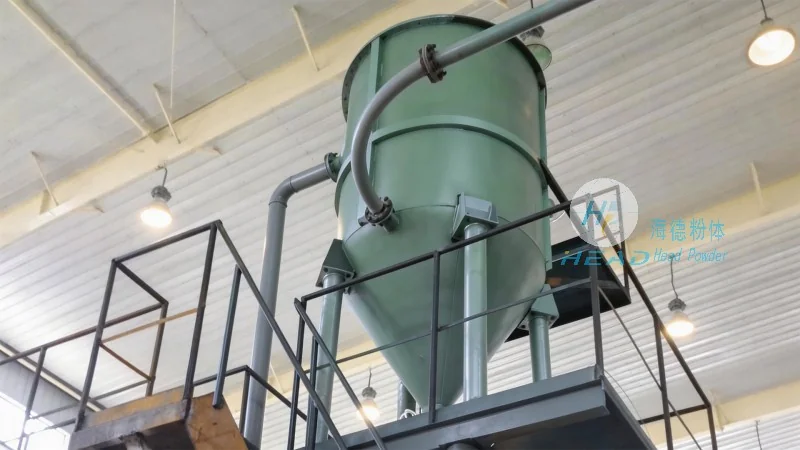
Negative Pressure Conveying: Key Features and Use Cases
Negative pressure conveying, also known as suction conveying, works by creating a vacuum in the conveying line, pulling material from the source into the system. This mode is ideal for applications where the material source is elevated or where the system needs to handle fine powders that might be prone to dusting. The main benefit is that the system operates under negative pressure, which helps contain dust and prevent emissions. However, it may require more energy to maintain the vacuum and can be less efficient for long-distance or high-volume transport compared to positive pressure systems.
Comparative Analysis: Positive vs. Negative Pressure
When evaluating the two modes, several factors come into play. Positive pressure systems generally offer higher conveying rates and are more suitable for long distances, making them a popular choice for large-scale pharmaceutical production. They also provide better control over material flow and are easier to clean and maintain. On the other hand, negative pressure systems excel in applications where dust containment is critical, such as handling hygroscopic or fine powders. They are often more energy-efficient for short distances and can be less expensive to install for smaller-scale operations.

HeadPowder: Expertise in Pharmaceutical Pneumatic Conveying
Shandong HeadPowder Engineering Co., Ltd., operating under the brand name headpowder, is a leading provider of advanced pneumatic conveying solutions tailored to the pharmaceutical industry. With a strong presence in China, particularly in Shandong, the company specializes in designing, manufacturing, and implementing customized systems that meet the stringent requirements of pharmaceutical manufacturing. HeadPowder’s expertise lies in understanding the unique challenges of pharmaceutical powders, such as moisture sensitivity, particle size variation, and regulatory compliance, and translating these into effective conveying solutions.
Customization and Integration Capabilities
HeadPowder recognizes that no two pharmaceutical production lines are identical. Therefore, the company offers comprehensive customization services to ensure that each pneumatic conveying system is optimized for the specific application. This includes selecting the appropriate conveying mode—positive or negative pressure—based on the material characteristics, production volume, and facility layout. The company also provides integration services, ensuring that the new system seamlessly connects with existing production equipment, minimizing downtime and maximizing operational efficiency.

Quality Assurance and Compliance
Pharmaceutical manufacturers must adhere to strict quality and regulatory standards, such as those set by the FDA and GMP (Good Manufacturing Practice). HeadPowder’s systems are designed with these standards in mind, incorporating features like stainless steel construction, easy-to-clean components, and advanced control systems. The company’s commitment to quality is reflected in its rigorous testing and validation processes, ensuring that each system meets or exceeds industry requirements before deployment. This focus on compliance helps pharmaceutical companies maintain product integrity and avoid costly regulatory issues.
Conclusion: Choosing the Right Conveying Mode for Pharmaceutical Applications
The choice between positive and negative pressure pneumatic conveying systems is a critical decision that impacts the efficiency, safety, and compliance of pharmaceutical manufacturing operations. Positive pressure systems offer high performance and reliability for large-scale applications, while negative pressure systems excel in dust containment and handling of fine powders. By understanding the specific needs of the production process, pharmaceutical companies can select the most appropriate conveying mode to optimize their operations. With its expertise and customized solutions, Shandong HeadPowder Engineering Co., Ltd. (headpowder) is well-positioned to assist in this decision-making process, providing reliable and effective pneumatic conveying systems that meet the highest standards of the pharmaceutical industry.